

resources
How Is the Price of Caustic Soda Determined in the Market?
Aug
The global market for caustic soda is a complex and highly dynamic environment, where its price is not dictated by a single factor but by an intricate interplay of supply-side constraints, demand-side drivers, and external macroeconomic forces. As a foundational commodity chemical, sodium hydroxide (NaOH), or caustic soda, is indispensable to a vast array of industries. Its unique co-production with chlorine creates a fundamental market dynamic where its supply is often a function of demand for a separate, and sometimes cyclical, product. This report provides a detailed analysis of the key determinants shaping the global Caustic Soda Price, exploring the fundamental chemical and industrial relationships, the influence of major consuming sectors, the impact of geopolitical and logistical variables, and a forward-looking market forecast.
The primary factors influencing the Caustic Soda Price include the energy-intensive nature of its production, the critical link to chlorine and, by extension, the PVC industry, and the robust demand from key downstream sectors such as alumina, pulp and paper, and water treatment. Recent market volatility has underscored the sensitivity of the Caustic Soda Price to disruptions in energy markets, trade policy shifts, and a broader slowdown in global industrial activity. While the Asia-Pacific region is poised to remain the dominant market for production and consumption, the global outlook suggests continued growth, driven by industrialization and emerging applications, though prices are expected to remain subject to the complex balance of supply, demand, and external market pressures.
The Foundational Determinants of the Caustic Soda Price
1.1 What Is Caustic Soda and Why Is its Price So Complex?
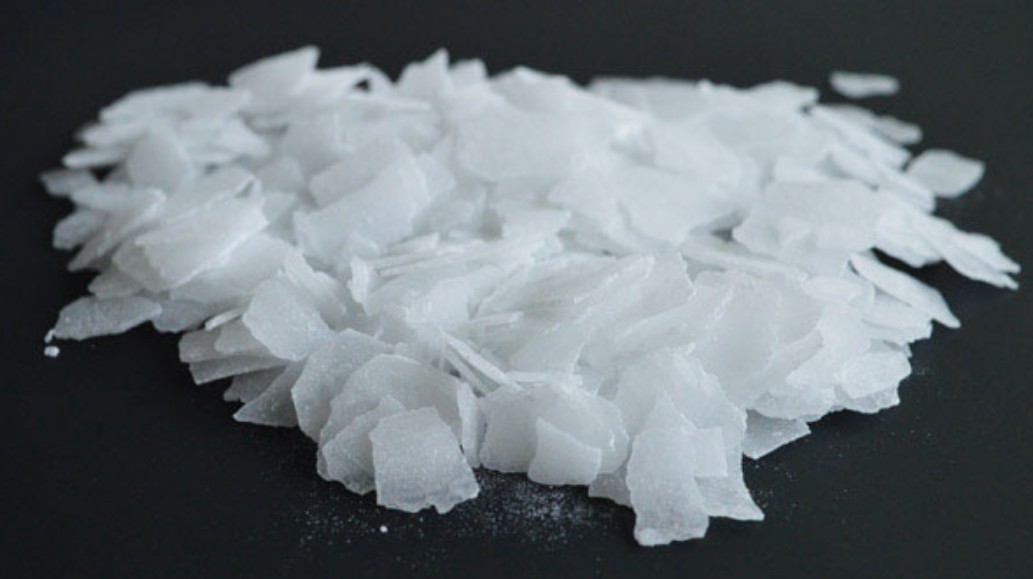
Caustic soda, an inorganic compound with the chemical formula , is a foundational chemical in modern industry. Also known as lye or sodium hydroxide, it is a white crystalline solid that is highly corrosive, soluble in water, and feels slippery to the touch due to its ability to saponify natural skin oils. Its physical properties, such as high viscosity in concentrated solutions, play a direct role in its storage and application across various sectors.
The significance of caustic soda is underscored by its wide-ranging applications, which span from the making of wood pulp and paper to the production of soaps, detergents, textiles, and even drinking water. The compound is also essential for refining bauxite ore to extract aluminum through the Bayer process, de-greasing metals, and purifying oil. In 2022, global production of caustic soda reached approximately 83 million tons, highlighting its status as a high-volume, commodity chemical integral to a wide range of day-to-day products and industrial processes. Its versatility ensures that it will remain a vital component in sectors like chemical manufacturing, textiles, and petroleum refining for years to come.
For a detailed overview of the industrial applications of liquid caustic soda, including handling and concentration considerations, see our dedicated guide.
The complexity of the Caustic Soda Price stems from this dual nature: it is a high-volume commodity with a fixed, co-produced supply chain that serves a highly diversified and sometimes unpredictable demand base. The price is not simply a function of its own supply and demand but is deeply interconnected with the market dynamics of its co-product, chlorine, and the health of the multiple, and sometimes competing, end-use industries it serves. This intricate web of relationships makes forecasting the Caustic Soda Price a challenging endeavor that requires a holistic understanding of the entire value chain.
1.2 The Chlor-Alkali Process: The Engine of Caustic Soda Production and its Price Link
Approximately 99.5% of the world’s caustic soda supply is produced through the chlor-alkali process, an industrial method for the electrolysis of sodium chloride () brine solutions. This single process is responsible for the simultaneous production of three essential commodity chemicals: chlorine gas (
), sodium hydroxide (), and hydrogen gas (). This co-production model is the most fundamental determinant of the Caustic Soda Price.
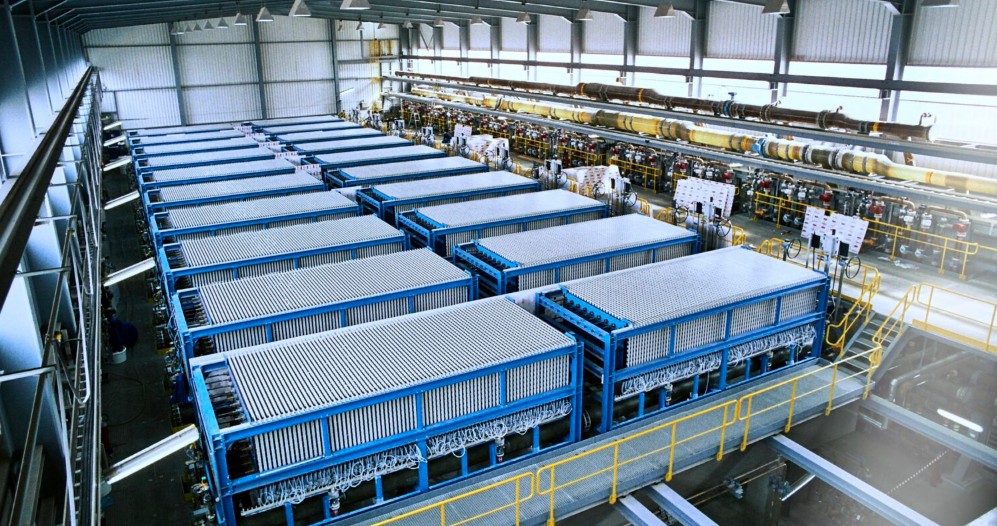
The process operates on a fixed stoichiometric ratio. For every mole of chlorine and hydrogen produced at the electrodes, a proportional amount of sodium hydroxide is also created. In practical terms, this means that for every ton of chlorine produced, approximately 1.1 tons of caustic soda are also generated. This unbreakable chemical-economic link ensures that the supply of caustic soda is not independent but is inextricably tied to the demand for chlorine, its gaseous co-product.
Over the years, the chlor-alkali industry has evolved, shifting from older, less efficient mercury and diaphragm cell technologies to modern membrane cell technology. This transition has been driven by both stricter environmental regulations, such as the Minamata Convention which aims to curb mercury usage, and the industry’s pursuit of greater energy efficiency. The chlor-alkali process is highly energy-intensive, consuming around 2,500 kWh of electricity per ton of sodium hydroxide produced. This high energy consumption makes production costs, and by extension the
Caustic Soda Price, highly sensitive to fluctuations in electricity and natural gas markets. The efficiency gains from new technologies, therefore, directly impact the profitability and pricing structure of the entire industry.
1.3 The Critical Co-Product Relationship: How Chlorine Demand Shapes the Caustic Soda Price
The most significant and often counter-intuitive determinant of the Caustic Soda Price is the demand for its co-product, chlorine. This relationship is particularly evident in the market for polyvinyl chloride (PVC), a key construction plastic that consumes a substantial portion of the world’s chlorine output.
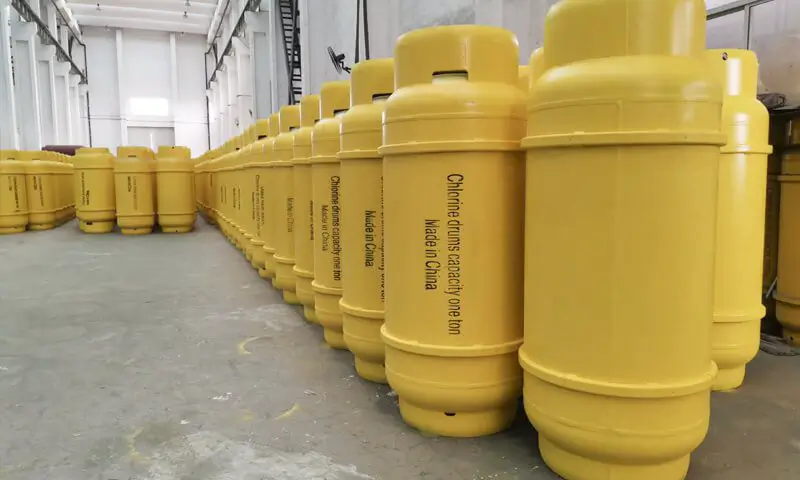
The dynamics of this relationship follow a clear causal chain of events. A decline in demand for PVC, often resulting from a slowdown in global construction and manufacturing sectors, initiates a ripple effect through the entire chlor-alkali value chain. Because chlorine gas is difficult and costly to store and transport in large quantities, producers must curtail their output to prevent an excess supply from building up. Given the fixed ratio in the co-production process, this necessary reduction in chlorine output automatically limits the supply of caustic soda.
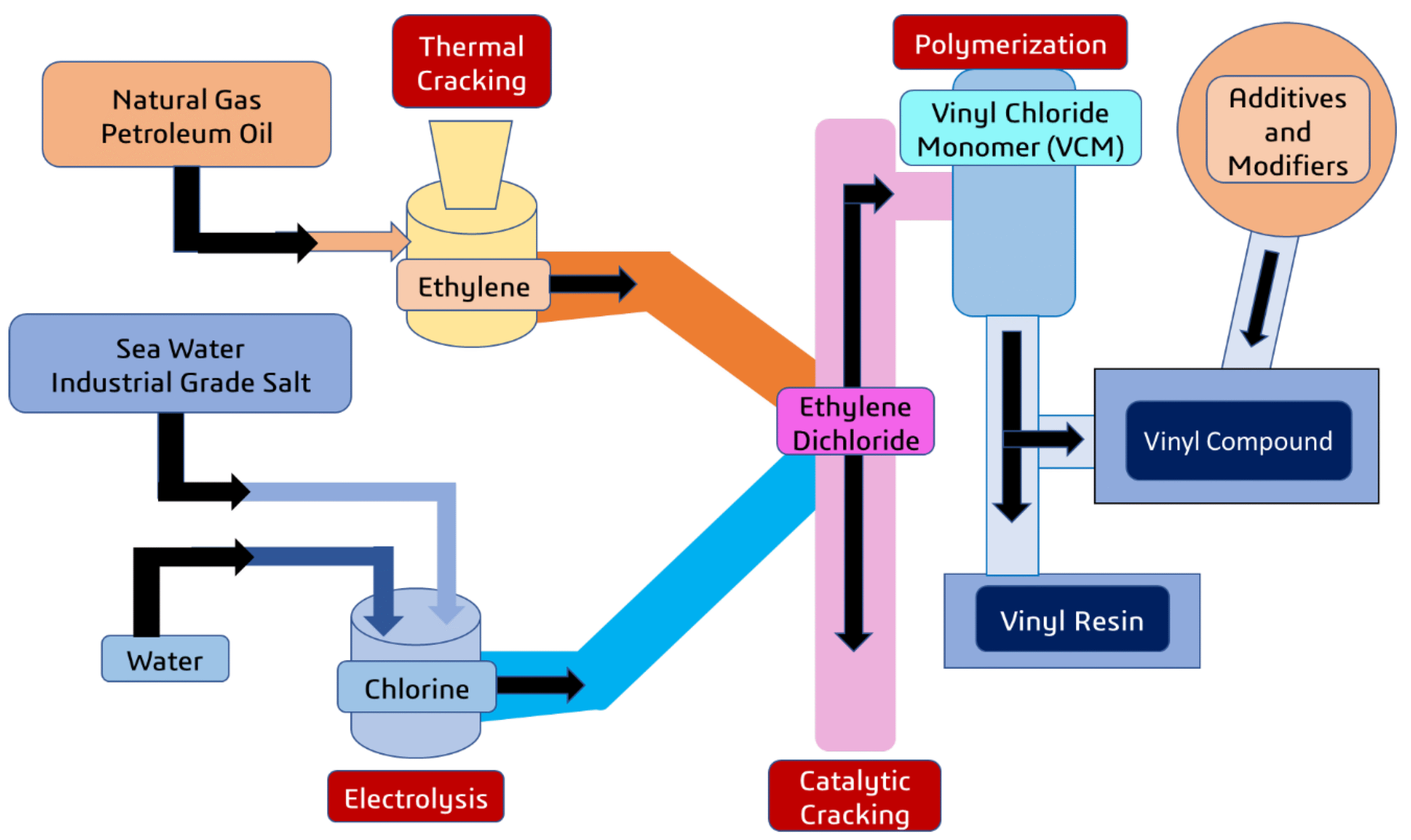
This supply constraint has a profound impact on the market for caustic soda, which may be entirely disconnected from the demand for chlorine. As was observed in late 2024 and early 2025, a slowdown in the PVC sector led to a constrained caustic soda supply. Even as demand for caustic soda from its core sectors like alumina and water treatment remained steady or even increased, this supply shortage created upward pressure on prices and introduced significant volatility in the market. This phenomenon illustrates how the Caustic Soda Price can become a “victim” of the PVC sector’s woes, where the health of one market directly dictates the supply, and therefore the price, of another.
The Demand-Side Drivers of the Caustic Soda Price
The demand for caustic soda is a powerful force in determining its price, and this demand is driven by a diverse portfolio of end-use industries. While many sectors rely on the chemical, a few stand out as having an outsized influence on the global market.
2.1 Alumina Production: The Single Largest Factor in the Caustic Soda Price
Alumina production is the single largest consumer of caustic soda, accounting for approximately 21% of the total global demand. Caustic soda is a key reagent in the Bayer process, a standard industrial method for extracting aluminum from bauxite ore. In this process, a concentrated caustic soda solution dissolves alumina to form sodium aluminate, separating it from impurities in the ore.
The demand for caustic soda in this sector is directly correlated with the health of the aluminum market. Alumina, the intermediate product, is used in end-use markets such as transportation, construction, and packaging. The increasing demand for lightweight and energy-efficient materials in the automotive and aerospace industries, especially for electric vehicles, has a direct and significant impact on the demand for caustic soda. Consequently, the expansion of aluminum smelting and refining capacities in rapidly industrializing countries directly translates into a higher need for caustic soda.
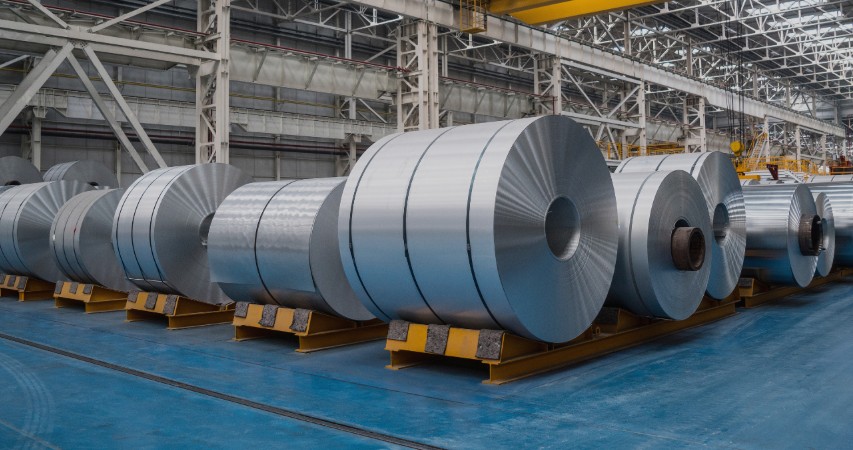
Fluctuations in this sector can directly affect the Caustic Soda Price. For instance, muted domestic aluminum consumption in Japan during Q2 2025, due to a contracting manufacturing sector, contributed to a stable, rather than upward, price trajectory in the region. Conversely, a temporary surge in demand from the alumina industry, spurred by high alumina prices in late 2024, provided temporary support for caustic soda prices. This demonstrates the direct and powerful influence of this single application on global market dynamics.
2.2 The Pulp & Paper Industry’s Persistent Influence on the Caustic Soda Price
The pulp and paper sector is another critical and consistently growing consumer of caustic soda. It is a stable market driver, with an average annual growth rate of caustic soda consumption in this industry of approximately 1.5% over the past seven years. This demand has proven to be particularly resilient, even during broader economic downturns, providing a stable foundation for the market.
Caustic soda plays a vital role throughout the papermaking process. Its strong alkaline properties are indispensable in the pulping process, particularly the Kraft process, where it helps break down lignin in wood chips to separate and free cellulose fibers, creating a high-quality pulp. The chemical is also crucial for bleaching to remove residual lignin and enhance the whiteness of the pulp. Furthermore, in an age of increased sustainability efforts, caustic soda is used to deink recycled paper, removing contaminants and preparing the pulp for reuse. Approximately 35 kg of caustic soda is required to produce one ton of market pulp, a key metric for industrial buyers and analysts.
Pulp producers and other high-volume consumers can review specifications and request a quotation for bulk liquid caustic soda supply directly from Istay Kimya.
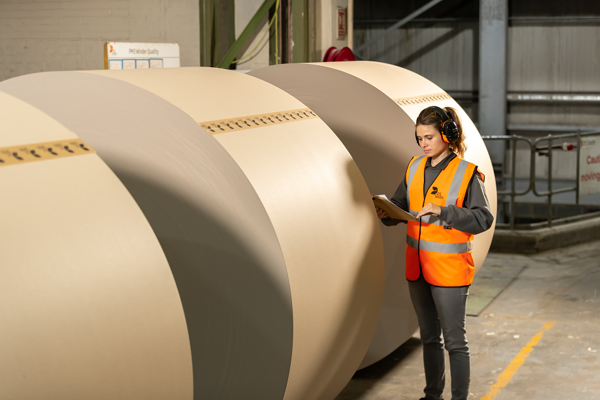
Regional variations in this consumption are also notable, with China and the United States emerging as the two largest consumers of caustic soda in this industry. The growth of integrated pulp and market pulp production in the Asia-Pacific and Latin American regions has further increased their consumption in recent years, reinforcing their role as key drivers of the global Caustic Soda Price.
2.3 New and Emerging Applications Influencing the Caustic Soda Price
Beyond its traditional stronghold industries, the Caustic Soda Price is increasingly shaped by a diversifying portfolio of applications. This expansion into new and growing sectors adds layers of resilience and complexity to the market.
One of the most significant emerging drivers is the increasing demand for caustic soda in water treatment. Global water scarcity and more stringent regulations on managing contamination are driving the need for effective purification agents. With its strong alkaline characteristics, caustic soda is a powerful agent for pH regulation and pollutant removal in both municipal and industrial water treatment facilities.
Chemical manufacturing also remains a vital contributor to market demand, with the organic chemicals subsegment expected to grow at a CAGR of 6.61%. Caustic soda is a key ingredient, reactant, or intermediate in the production of a wide range of organic compounds, including solvents, plastics, and polyvinyl chloride (PVC). The growing epoxy resin market, which is projected to expand at a CAGR of 6%-7%, will also continue to fuel demand for caustic soda.
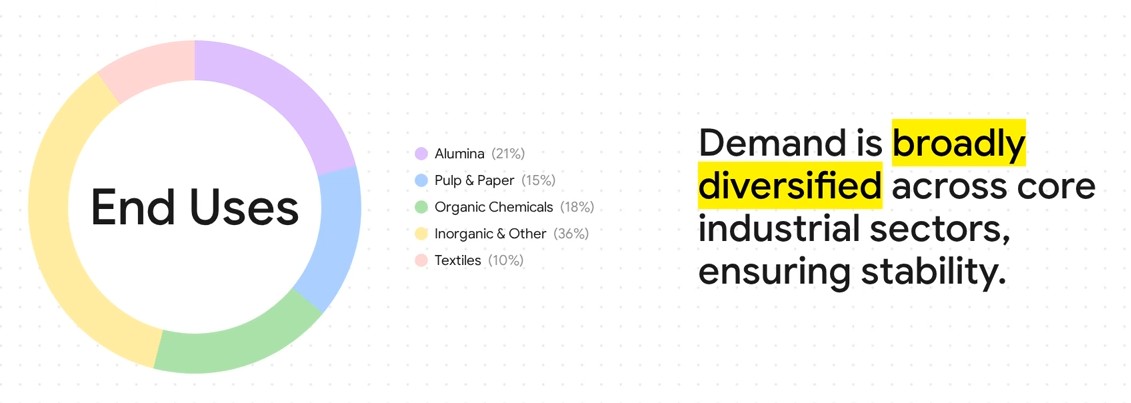
Other sectors provide a steady, consistent demand. The production of soaps and detergents relies heavily on caustic soda, a sector that demonstrated stability even during the pandemic. It is used for hard bar soaps and is a key active ingredient in deodorants and disinfectants. Additionally, the textile industry uses caustic soda for processing cotton and synthetic fibers, and its role in mercerization improves the luster and strength of fibers. The following table provides a clear breakdown of the caustic soda market by key consuming industries.
| Application | Share of Total Demand |
| Alumina | 21% |
| Organic Chemicals | 17% (Dominant) |
| Inorganic Chemicals | 9% |
| Pulp & Paper | 18% |
| Soaps & Detergents | Included in ‘Other Applications’ (35%) |
| Water Treatment | Included in ‘Other Applications’ (35%) |
| Textiles | Included in ‘Other Applications’ (35%) |
| Other Applications | 35% |
Table: Key Global Caustic Soda Market Consumers, 2024
Cost and Geopolitical Factors Driving the Caustic Soda Price
Beyond the fundamental balance of supply and demand, the Caustic Soda Price is profoundly influenced by external, macroeconomic forces. These factors often introduce volatility and create significant regional price differences.
3.1 The Dominant Role of Energy Costs in the Caustic Soda Price
The cost of energy is arguably the single most impactful variable in the production of caustic soda. The chlor-alkali process is inherently energy-intensive, with electricity consumption being a primary input. The cost of this electricity and other energy inputs, such as natural gas, has a direct and significant impact on the final Caustic Soda Price.
A direct causal relationship exists between energy prices and the cost of production. A surge in the price of electricity, as seen in parts of Europe due to geopolitical events, can cause the cost of energy to become the “majority” of the overall production cost. This increase is then passed on to end-users, leading to higher market prices for caustic soda. This phenomenon can also force producers to reduce their operating rates to mitigate losses, which in turn tightens supply and creates additional upward pressure on the Caustic Soda Price. This explains the high prices observed in Europe in 2022, which were a direct result of the hikes in natural gas and electricity prices.
The industry’s focus on technological advancements, such as the adoption of membrane cell technology, is partly a response to this challenge. While these technologies aim to reduce energy consumption, the fundamental link between energy prices and the Caustic Soda Price will remain a critical factor in the market’s stability and volatility.
3.2 The Impact of Global Supply Chains and Logistics on the Caustic Soda Price
Given its nature as a bulk commodity, transportation expenses and logistical efficiency play a crucial role in determining the landed Caustic Soda Price in any given region. Rising freight costs, shipping delays, and other supply chain disruptions directly increase the cost to importers and buyers, contributing to higher prices and market volatility.

Specific events can have a significant and immediate impact. For example, in Q2 2025, importers in the U.S. faced surging logistics costs, which made the CFR (Cost and Freight) price more volatile than the domestic FOB (Free on Board) price. Similarly, in Japan, imports from Southeast Asia faced shipping delays and higher container rates, contributing to a tightening of the domestic market. Furthermore, hurricane-related production delays in the U.S. in late 2024, although quickly resolved, led to stock shortages that kept prices high in the region. These examples underscore how seemingly localized logistical challenges can have a cascading effect on the global Caustic Soda Price.
3.3 Trade Policies and Geopolitical Events: A Shifting Influence on the Caustic Soda Price
Trade policies, tariffs, and geopolitical events can fundamentally reshape the global caustic soda trade, creating a powerful influence on regional pricing structures. Government policies can either facilitate or hinder trade, directly affecting the price in various regions.
A clear example of this is the implementation of new U.S. tariffs in 2025 on imports from key international suppliers. These higher duties have prompted importers to recalibrate their sourcing strategies and have introduced a significant level of uncertainty and volatility in the market, particularly for import prices. The divergence between stable domestic FOB prices and fluctuating CFR prices in the U.S. during Q2 2025 is a direct consequence of this policy shift.
This strategic maneuver not only impacts short-term pricing but also drives long-term market behavior. Higher import duties encourage U.S.-based manufacturers to explore alternative raw material sources or even ramp up their domestic production capacity to meet demand. Simultaneously, it forces importers to seek out more cost-effective suppliers from different regions, reshaping global trade flows. In this way, trade policies become a significant variable in the long-term determination of the
Sourcing decisions in a shifting trade environment depend on careful vetting; our guide on how to choose a reliable caustic soda supplier outlines the criteria procurement teams should verify.
Caustic Soda Price, with regional markets becoming more isolated and subject to localized supply and demand conditions.
Section 4: Market Dynamics and the Future Caustic Soda Price
Analyzing recent market dynamics and forward-looking forecasts provides a critical context for understanding the current and future trajectory of the Caustic Soda Price. The market is in a state of continuous evolution, influenced by capacity additions, technological shifts, and sustained growth in key consuming regions.
4.1 Recent Caustic Soda Price Trends: A Quarter-by-Quarter Breakdown (Q4 2024 to Q2 2025)
The period from late 2024 to mid-2025 provides a clear illustration of how the diverse factors discussed in this report interact to shape regional pricing. The following table offers a snapshot of the prices in key regions.
| Region | Price (USD/MT) in June 2025 | Key Price Drivers |
| USA | 423 | Steady demand from paper, alumina, and chemical sectors; production rates impacted by planned maintenance; rising freight costs and energy prices. |
| Japan | 477 | Stable consumption from textiles and pulp industries; reduced output due to high electricity tariffs; shipping delays and tight inventory. |
| China | 120 | Reduced operating rates due to environmental compliance checks; consistent downstream demand but export constraints due to logistics. |
| Brazil | 653 | Sustained demand from pulp, paper, and alumina sectors; reduced domestic availability due to maintenance work; increased logistics costs for imports. |
Table: Regional Caustic Soda Price Snapshot, Q2 2025
In the United States, the market experienced a mix of trends during Q2 2025. While domestic FOB prices largely remained steady, import (CFR) prices fluctuated significantly due to rising logistics costs and the uncertainty introduced by new U.S. tariff structures. In late 2024, prices were elevated due to strong industrial demand and temporary supply constraints caused by hurricane-related delays.
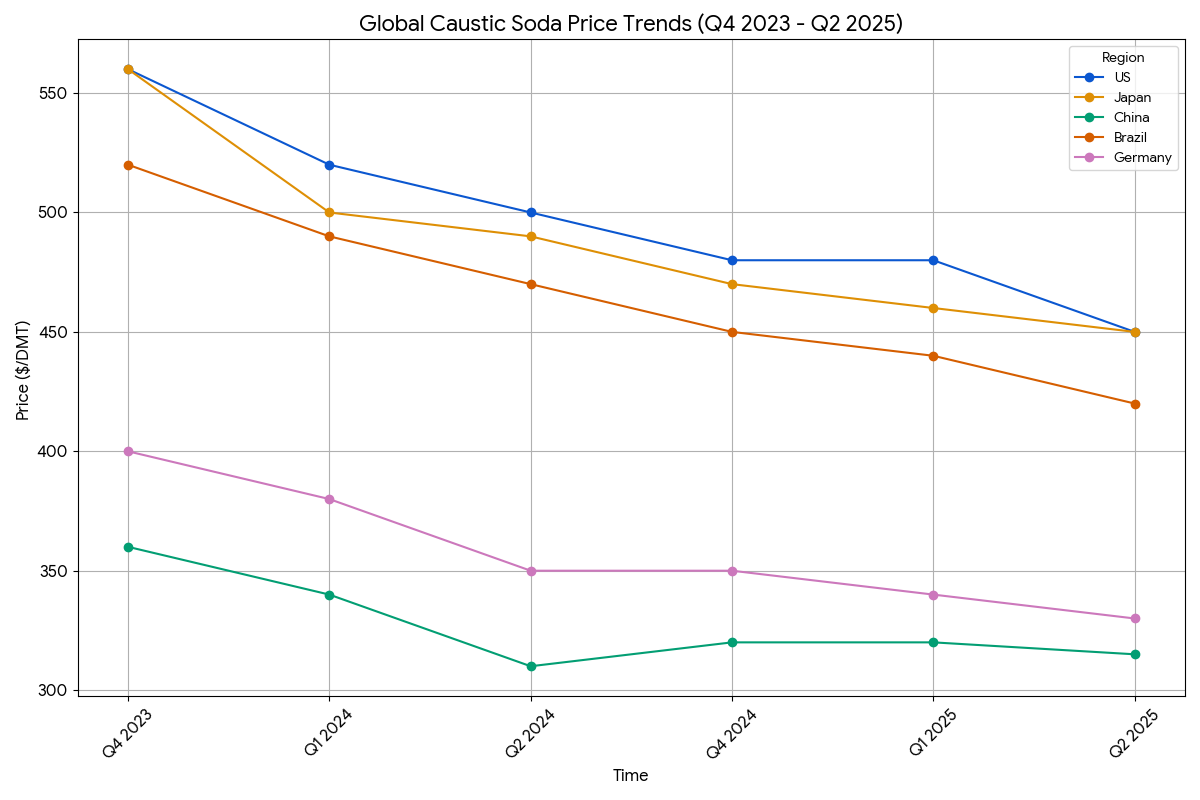
In Asia, the Caustic Soda Price maintained an overall stable trajectory in Q2 2025. This was primarily driven by balanced supply-demand fundamentals and consistent export demand, which helped to offset muted domestic industrial activity in Japan. However, in Japan specifically, high electricity tariffs led to reduced production output, which tightened the market and contributed to higher prices compared to China.
In Europe, prices remained flat during Q2 2025, attributed to a balanced market with consistent demand and stable operating costs. This was a notable contrast to the high prices seen in 2022, which were a direct result of soaring energy costs. Meanwhile, Brazil’s market saw significant price volatility. After a decline in Q1 2025 due to oversupply and weak demand, prices rebounded in Q2 as maintenance work at key facilities reduced domestic availability and strong demand persisted from the pulp and paper and alumina sectors.
4.2 Global Caustic Soda Price Forecasts (2025-2035)
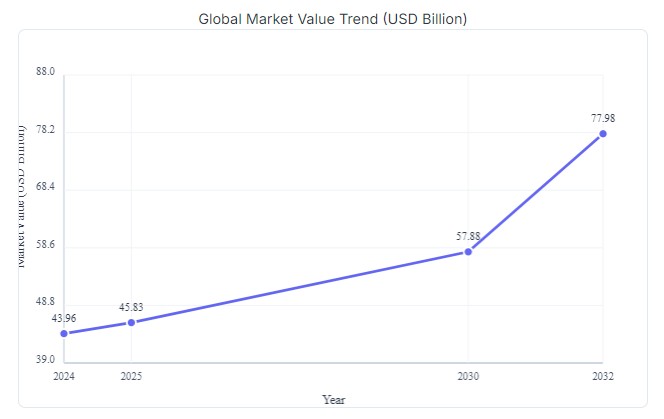
The future outlook for the global caustic soda market is characterized by continued growth and evolving dynamics. The market’s value is projected to increase substantially, driven by industrialization and rising demand from key sectors.
For a deeper look at capacity additions, regional demand, and pricing scenarios, see our global caustic soda market outlook 2025-2030.
According to market research, the global market for caustic soda is projected to grow from a value of approximately USD 43.96 billion in 2024 to USD 57.88 billion by 2030, representing a Compound Annual Growth Rate (CAGR) of 4.79%. In terms of volume, global production is expected to increase from around 80 million tonnes in 2024 to an estimated 113 million tonnes by 2035, growing at a CAGR of 3.29% from 2025.
| Attribute | 2024 | 2025 | 2030 | 2032 | 2035 |
| Market Value (USD Billion) | 43.96 | 45.83 | 57.88 | 77.98 | N/A |
| Market Volume (Million Tonnes) | 80 | N/A | N/A | N/A | 113 |
| CAGR (2025-2030) | N/A | N/A | 4.79% | N/A | N/A |
| CAGR (2024-2032) | N/A | N/A | N/A | 6.10% | N/A |
| CAGR (2025-2035) | N/A | N/A | N/A | N/A | 3.29% |
Table: Global Caustic Soda Market Size & Forecast, 2024-2035
The primary drivers of this projected growth are consistent with the demand analysis presented earlier. The rising demand for alumina, especially for use in lightweight materials for electric vehicles and construction, is a foundational driver. Additionally, the increasing need for water treatment due to global water scarcity and environmental regulations is expected to fuel consumption.
The Asia-Pacific region is and is expected to remain the dominant market, driven by rapid industrialization and the growth of key industries in emerging economies like China and India. The region is poised to spearhead global capacity additions, with significant projects planned in China and India. For example, India is expected to add a capacity of 1.33 mtpa from seven upcoming projects by 2030, with a major plant planned in Mundra, Gujarat. This regional expansion reinforces the Asia-Pacific region as both a primary manufacturing base and a key consumption market for caustic soda.
4.3 The Caustic Soda Price Outlook: Key Trends to Monitor
The long-term outlook for the Caustic Soda Price will be shaped by a combination of key trends that professionals should closely monitor. The most significant of these is the ongoing transition to more energy-efficient and environmentally friendly production methods. The shift to membrane cell technology, for example, is helping to reduce energy consumption and improve operational efficiency. As manufacturers continue to invest in cleaner electrolyzer designs and process automation, the industry is poised to see improved product quality and enhanced supply chain efficiencies.
Additionally, the future supply and, by extension, the Caustic Soda Price, will be influenced by planned capacity additions. Forecasts indicate that without new plants coming online, forecasted consumption could exceed capacity by 2025. The announced projects, particularly in Asia and the Middle East, are crucial indicators of future supply and potential price moderation. Specific projects like the Taziz EDC and PVC plant in the UAE are expected to add a significant capacity of 0.80 mtpa by 2027.
Finally, the industry’s focus on sustainability will continue to evolve, influencing both production methods and end-use applications. Stricter environmental regulations and an increased reliance on recycling, particularly in the pulp and paper industry, will drive demand for caustic soda in processes like deinking and pH control. This will tie the Caustic Soda Price to the broader global agenda of sustainability, where demand for greener processes and products will serve as a consistent, underlying market driver.
Conclusion: A Holistic View of the Caustic Soda Price
The Caustic Soda Price is a complex, multifaceted variable in the global chemical landscape, determined by a confluence of fundamental industrial, economic, and geopolitical forces. At its core, the price is a direct consequence of the chlor-alkali process, a co-production model that inextricably links caustic soda supply to the demand for chlorine. This relationship means that even if demand for caustic soda is strong, a downturn in a major chlorine-consuming sector like PVC can create a supply shortage and drive prices upward.
On the demand side, the Caustic Soda Price is heavily influenced by the health of a few key industries. The alumina sector, its single largest consumer, plays a foundational role, with demand for caustic soda correlating directly with the global need for aluminum in transportation and construction. The pulp and paper industry provides a stable, growing demand base, while emerging applications in water treatment, textiles, and other chemical manufacturing sectors add resilience and diversification to the market.
External factors, particularly energy prices and global trade policies, introduce significant volatility and create pronounced regional price differences. The high energy consumption of the production process means that fluctuations in electricity and natural gas markets are a critical cost component that is often passed on to consumers. At the same time, tariffs and logistical challenges can disrupt trade flows, influencing import prices and reshaping sourcing strategies on a global scale.
Looking ahead, the market is poised for continued growth, with a strong demand outlook driven by ongoing industrialization in the Asia-Pacific region and new applications in a more sustainable world. However, the future Caustic Soda Price will remain sensitive to the intricate balance between these variables. The ability of manufacturers to bring new capacity online, the stability of energy markets, and the health of key downstream industries will all play a crucial role in shaping the market’s trajectory. Understanding this holistic system is essential for any professional seeking to navigate the complexities and make informed decisions within this vital market.
