

resources
Everything You Should Know About Sodium Carbonate Before You Use It
Aug
Sodium carbonate (Na₂CO₃), also known as soda ash or washing soda, is one of the most widely used inorganic compounds in industrial manufacturing. It plays a critical role in numerous applications, ranging from glass production and detergent manufacturing to chemical processing and water treatment. Its versatility, cost-effectiveness, and chemical properties make it indispensable across sectors such as glassmaking, pulp and paper, textiles, metallurgy, and environmental management.
This article provides a comprehensive guide on sodium carbonate—covering its chemistry, production, grades, applications, storage requirements, handling precautions, and market considerations—so you can make informed decisions before using it in your processes.
What Is Sodium Carbonate?
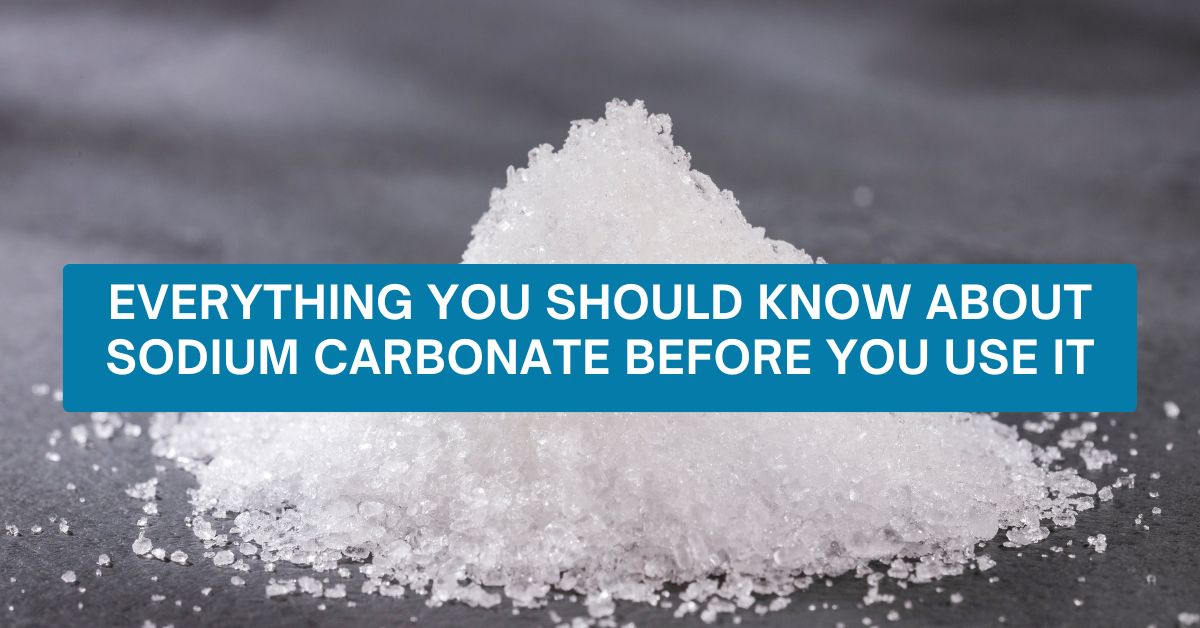
Sodium carbonate is an alkali chemical with the molecular formula Na₂CO₃. It appears as a white, odorless, water-soluble powder or granular material. Classified as a basic salt, it is highly alkaline in aqueous solution, giving it the ability to neutralize acids and influence pH in industrial processes.
Key physical and chemical properties:
- Molecular weight: 105.99 g/mol
- Melting point: ~851°C
- Solubility: Highly soluble in water; insoluble in alcohol
- pH (1% solution): ~11.5 at 25°C
- Density: ~2.53 g/cm³
- Hygroscopic nature: Can absorb moisture from the air, forming hydrates
How Sodium Carbonate Is Produced
The two main industrial production methods are:
Natural Soda Ash Extraction
In regions with rich trona deposits (e.g., USA, parts of Africa), sodium carbonate is produced by mining trona ore and refining it through calcination and purification processes. This route is often more energy-efficient than synthetic methods.
Key producing regions include the USA, Turkey, and parts of Africa.
Synthetic Production via the Solvay Process
The Solvay process is the most common synthetic route, involving the reaction of sodium chloride, ammonia, and carbon dioxide in water to form sodium bicarbonate, which is then calcined to yield sodium carbonate.
Advantages: Consistent quality and scalable output.
Considerations: Energy-intensive and generates byproducts such as calcium chloride.
Hou’s Process
A variation of the Solvay process developed in China, optimized for certain environmental and byproduct recovery advantages.
Industrial Grades of Sodium Carbonate
Sodium carbonate is marketed in different grades depending on particle size, purity, and intended application:
- Light Soda Ash: Fine powder form, ideal for detergents, pulp & paper, and chemical synthesis.
- Dense Soda Ash: Larger particle size, preferred in glass manufacturing due to lower dusting and better flow.
- Washing Soda: Hydrated form (Na₂CO₃·10H₂O), used in cleaning formulations and water softening.
Each grade has unique handling and performance characteristics that must be matched to the end-use requirements.
Applications of Sodium Carbonate in Industry
Glass Manufacturing
Sodium carbonate acts as a flux to reduce the melting temperature of silica, thereby lowering energy consumption. It is essential in the production of flat glass, container glass, and specialty glasses.
Up to 50% of global soda ash production is consumed by the glass industry, making it the largest single end-use segment.
Detergent Production
As a water softener, sodium carbonate enhances detergent performance by precipitating calcium and magnesium ions, preventing scale formation and improving surfactant efficiency.
Pulp and Paper Processing
Used in pulping to remove lignin and in pH control during bleaching processes. It helps maintain the chemical balance needed for optimal fiber processing.
Water Treatment
It adjusts pH in water systems, aiding in corrosion control and improving coagulation efficiency in municipal and industrial water treatment.
Metallurgy
Applied in ore beneficiation, smelting fluxes, and desulfurization processes. Its alkalinity aids in removing impurities from metal ores.
Typical examples include aluminum, chromium, and lead processing.
Chemical Manufacturing
Serves as a raw material for sodium silicates, sodium phosphates, and other sodium-based chemicals.
Food Industry (E500)
Food-grade sodium carbonate, designated E500, is used as a raising agent, acidity regulator, and anti-caking agent. Material intended for food applications must meet stringent purity standards.
Benefits for Industrial Operations
Sodium carbonate’s widespread use is driven by its combination of chemical effectiveness, availability, and cost efficiency.
- Versatility: Serves multiple roles across industries, reducing the need for multiple chemicals.
- Scalability: Readily available in bulk quantities from global producers.
- Process Optimization: Lowers energy consumption in high-temperature operations such as glass melting.
- Cost-Effectiveness: Competitive pricing compared to other alkaline chemicals.
- Environmental Advantage (Natural Soda Ash): Lower environmental footprint compared to some synthetic alkalis.
Storage and Handling Guidelines
Due to its hygroscopic nature and alkaline properties, sodium carbonate must be stored and handled correctly to maintain quality and ensure worker safety.
- Storage: Keep in a dry, well-ventilated warehouse, away from acids and moisture sources. Bulk storage bins should be sealed to prevent caking.
- Packaging: Supplied in multi-wall bags, big bags (FIBCs), or bulk tankers depending on the order volume.
- Handling: Use dust masks, gloves, and goggles during handling to prevent skin and eye irritation. Implement dust control measures in enclosed systems.
- Spill Response: Sweep up carefully to avoid dust formation; dispose of in accordance with local regulations.
- Transport: Classified as non-hazardous for most transport purposes, but bulk handling should follow industry best practices.
Safety and Regulatory Considerations
Sodium carbonate is generally regarded as non-toxic, but its alkaline nature can cause irritation upon contact.
- Hazard classification: Not classified as hazardous under GHS for normal use, but can cause eye damage in concentrated form.
- First aid measures: In case of contact, rinse affected area with plenty of water. Seek medical advice for eye exposure.
- Environmental impact: Readily soluble; large discharges may affect aquatic pH and harm sensitive organisms.
- Regulatory frameworks: Compliance with REACH (Europe), TSCA (USA), and other local chemical regulations is crucial for industrial operations.
Market and Procurement Insights
When sourcing sodium carbonate for industrial use, buyers often evaluate:
- Purity level: Critical for high-spec applications like glass and electronics.
- Grade type: Light or dense, matched to process needs.
- Supply reliability: Continuity of operations depends on timely deliveries.
- Origin: Some buyers prefer natural soda ash for sustainability; others prioritize local synthetic sources.
- Price trends: Influenced by energy costs, global demand, and raw material availability.
Advantages of Partnering with Reliable Suppliers
Working with a trusted chemical supplier ensures:
- Consistent product quality meeting technical specifications
- Secure logistics and packaging integrity during transport
- Competitive pricing and long-term supply agreements
- Technical support for application optimization
Turkey’s position as a major producer of natural soda ash offers strategic advantages for global buyers, including proximity to European, Middle Eastern, and African markets.
Environmental and Sustainability Aspects
Sodium carbonate production, particularly from natural sources, has a smaller carbon footprint compared to synthetic processes. Many industries are moving toward environmentally responsible sourcing, including suppliers who prioritize reduced emissions, energy efficiency, and safe waste management.
Frequently Asked Questions (FAQs)
Q1: What’s the difference between light and dense soda ash?
Light soda ash has smaller particles and is more suited for chemical formulations and detergents, while dense soda ash has larger granules and is preferred in glass manufacturing for reduced dusting.
Q2: Can sodium carbonate replace caustic soda in all applications?
No. While both are alkaline, caustic soda (NaOH) is more reactive and has different solubility and pH properties, making it suitable for certain processes where sodium carbonate may not perform as required.
Q3: Is sodium carbonate safe to handle without PPE?
Personal protective equipment is recommended to prevent skin and eye irritation, especially in bulk handling.
Q4: How should sodium carbonate be stored to maintain quality?
It should be stored in sealed containers in a dry environment to prevent moisture absorption and caking.
Q5: Is sodium carbonate environmentally friendly?
When handled and disposed of correctly, sodium carbonate is considered environmentally safe. It is non-toxic in typical industrial concentrations and neutralizes easily in wastewater systems.
Q6: Which industries consume the most sodium carbonate globally?
The glass industry accounts for nearly half of global consumption, followed by detergents, chemical manufacturing, water treatment, and metallurgy.
