





Other Names:
Polyethylene High-Density (PEHD), Alkathene, Polythene #2, HDPE, Ethene Homopolymer
Specification Summary
- Purity: ≥99%
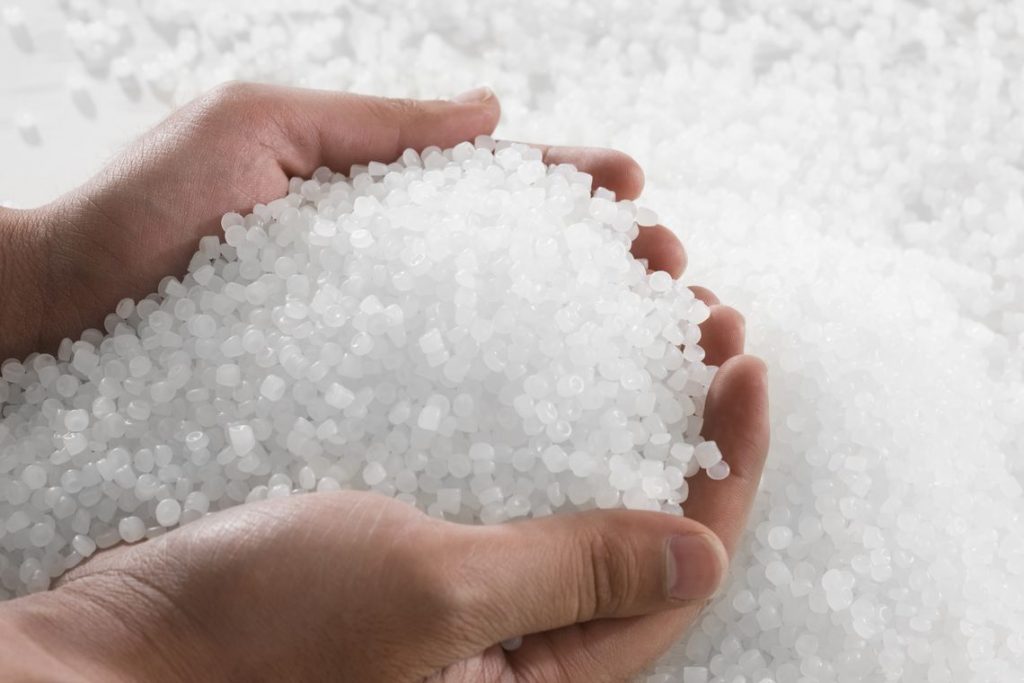
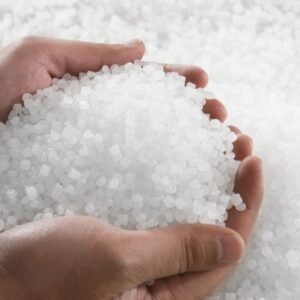
- Form: Granules, pellets, powder, sheets, pipes
- CAS No.: 9002-88-4
- Molecular Formula: (C2H4)n
- Molecular Weight: 28.05 g/mol (per repeating unit)
Product Description
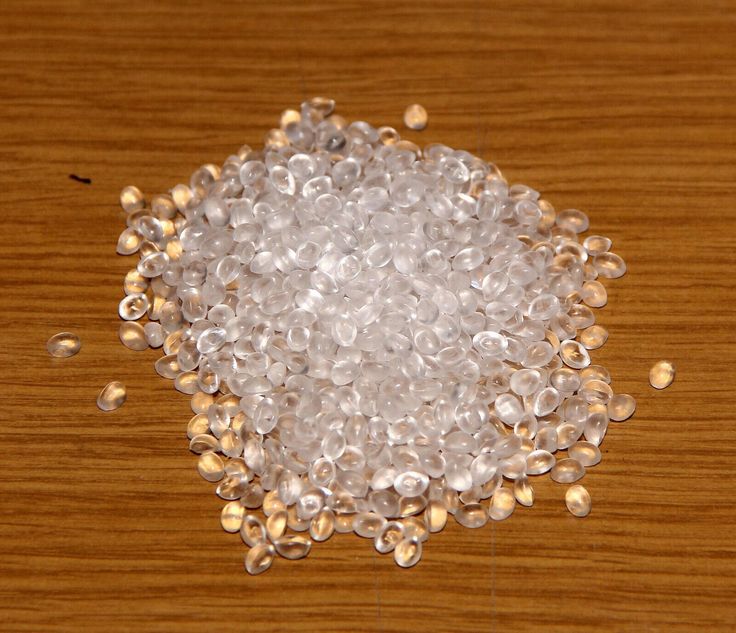
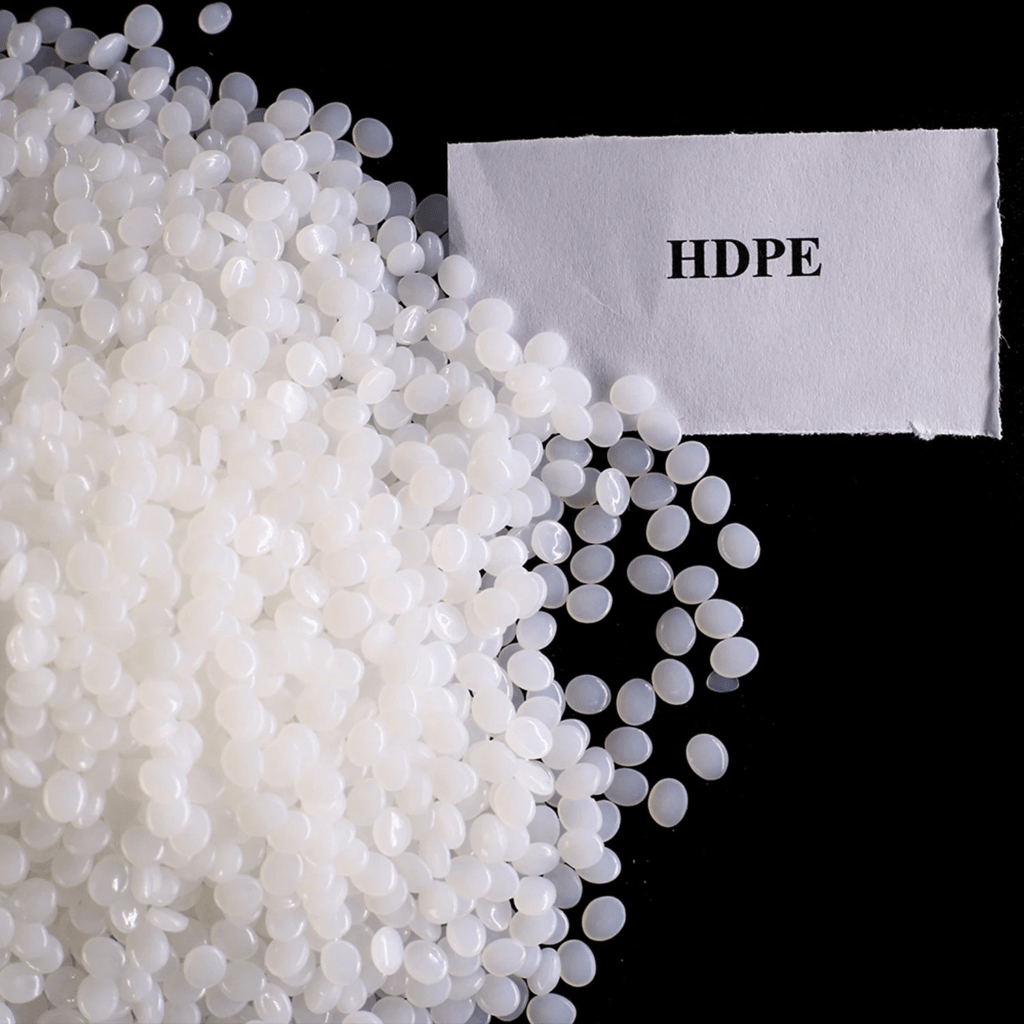
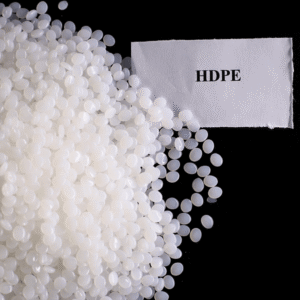
High-Density Polyethylene (HDPE) is a white, semi-translucent thermoplastic with a high strength-to-density ratio. It is odorless, non-toxic, and non-staining. HDPE is insoluble in water and most common solvents but can be dissolved in certain organic solvents at elevated temperatures. The material is non-corrosive, non-alkaline, and exhibits strong resistance to acids, bases, and a wide range of chemicals. It is lightweight, robust, and maintains excellent impact resistance and electrical insulating properties.
High-Density Polyethylene Specification Table
| Property | Value/Description |
| Density | 0.941–0.965 g/cm³ |
| Melting Point | 130–132 °C |
| Tensile Strength at Yield | ≥23 MPa |
| Flexural Modulus | 900–1200 MPa |
| Elongation at Break | >500% |
| Heat Deflection Temperature | ~75 °C |
| Chemical Resistance | Excellent (acids, bases, solvents) |
| Water Absorption (24 hrs) | <0.01% |
| Dielectric Constant (1 MHz) | 2.2 |
| Impact Resistance | High |
| Appearance | White/semi-translucent, odorless |
Downloadable TDS:
A comprehensive Technical Data Sheet (TDS) is available for download, detailing full physical, chemical, and processing parameters for HDPE.
Application Sectors and Industries of High-Density Polyethylene
Packaging:
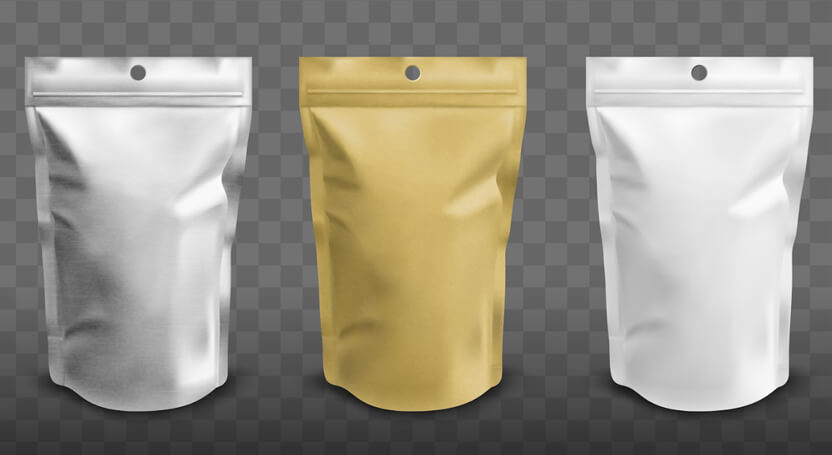
HDPE is the backbone of the packaging industry, used for bottles, containers, caps, and films. Its chemical resistance and rigidity make it ideal for packaging food, beverages, detergents, and chemicals, ensuring product safety and extended shelf life
Automotive:
In automotive manufacturing, HDPE is chosen for fuel tanks, fluid reservoirs, and protective underbody shields. Its lightweight nature and impact resistance contribute to improved vehicle efficiency and safety.
Construction:
HDPE pipes and fittings are vital in water supply, sewage, and gas distribution systems due to their corrosion resistance, durability, and long lifecycle. It is also used in geomembranes for landfill liners and foundation waterproofing
Medical and Healthcare:
HDPE is used in medical containers, laboratory ware, and some implantable devices. Its non-toxic, non-leaching properties and ability to withstand sterilization make it suitable for sensitive healthcare applications
Consumer Goods:
Household products such as storage bins, toys, and kitchenware are made from HDPE, benefiting from its toughness, ease of cleaning, and safety for food contact.
Agriculture:
HDPE is used for irrigation pipes, greenhouse films, and chemical containers. Its UV resistance (with additives) and chemical stability ensure reliable performance in harsh outdoor environments.
Electrical and Electronics:
HDPE serves as insulation for cables and wires, offering excellent dielectric properties and resistance to moisture and chemicals.
Industrial Applications:
HDPE is used for chemical tanks, drums, and liners, where chemical resistance and mechanical strength are critical for handling aggressive substances.
Retail and Shopping:
HDPE bags and sacks are common in retail and grocery sectors due to their strength, flexibility, and cost-effectiveness.
Alternative Energy:
HDPE is increasingly used in renewable energy sectors for cable protection, solar panel backsheets, and components exposed to outdoor conditions, owing to its weatherability and electrical insulation.
Packaging Types
- 25 kg Bags: Standard for granules and pellets, moisture-resistant and easy to handle.
- Bulk Bags (FIBC): For industrial-scale applications, typically 500–1000 kg per bag, suitable for automated processes.
- Drums: Used for HDPE powders and specialty grades, offering protection from contamination.
- Bottles and Containers: Available in various sizes for direct use in packaging applications.
- Custom Packaging: Tailored formats such as sheets, rolls, or pre-molded parts for specific industry needs.
High-Density Polyethylene (HDPE) offers a unique combination of strength, chemical resistance, and versatility, making it a preferred material across a wide range of industries. For detailed technical information, safety data, and compliance certifications, please refer to the downloadable TDS.