

resources
Versatile Applications Across Industries of Polycarbonate
Apr
Polycarbonate (PC) is a durable, lightweight, and transparent thermoplastic polymer. Its unique combination of properties makes it an ideal material for various applications, from construction to consumer electronics.
Table of Contents
- Key Properties of Polycarbonate
- Applications in Construction
- Use in Electronics and Electrical Components
- Automotive Industry Applications
- Medical and Healthcare Uses
- Consumer Goods and Daily Use Items
- Agricultural and Greenhouse Applications
- Safety and Security Equipment
- Comparison: Polycarbonate vs. Acrylic
- Advantages of Using Polycarbonate
- Limitations and Considerations
- Environmental Impact and Recycling
- Frequently Asked Questions
Key Properties of Polycarbonate
-
High Impact Resistance: Polycarbonate is virtually unbreakable, making it suitable for applications requiring durability.
-
Transparency: Offers excellent light transmission, comparable to glass.
-
Thermal Resistance: Can withstand temperatures up to 115°C without deformation.
-
Lightweight: Approximately half the weight of glass, facilitating easier handling and installation.
-
UV Resistance: With appropriate coatings, polycarbonate resists yellowing and degradation from UV exposure.
Applications in Construction
Polycarbonate’s strength and transparency make it ideal for various construction applications:
-
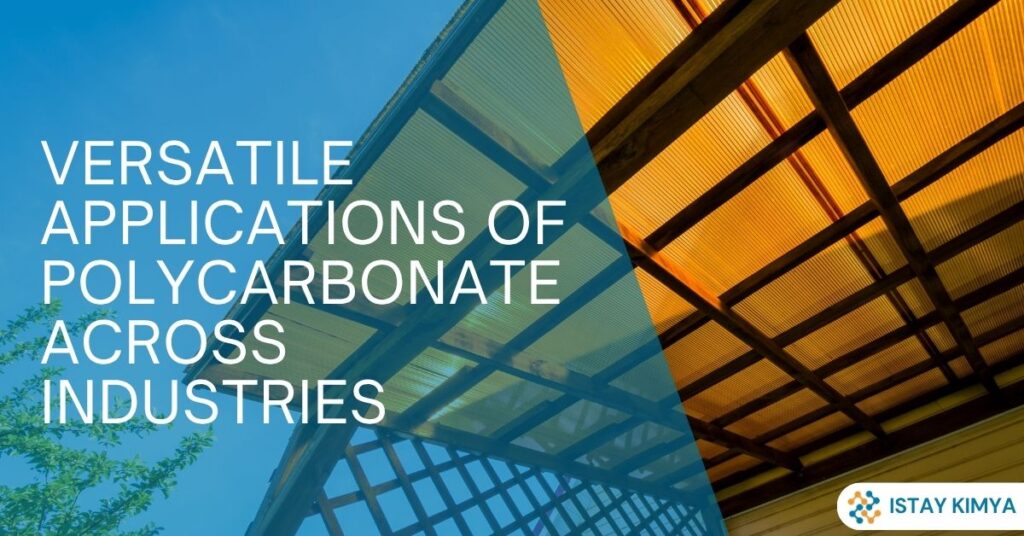
Skylights and Roofing: Provides natural lighting while withstanding environmental stresses.
-
Wall Panels and Facades: Used for aesthetic and functional purposes in modern architecture.
-
Sound Barriers: Effective in reducing noise pollution along highways.
-
Greenhouses: Allows optimal light transmission for plant growth while offering insulation.
Use in Electronics and Electrical Components
Polycarbonate’s electrical insulating properties and heat resistance make it suitable for:
-
Switches and Sockets: Ensures safety and durability.
-
LED Light Covers: Protects components while allowing light diffusion.
-
Battery Cases: Provides robust housing for batteries in various devices.
-
Telecommunication Equipment: Used in housings and components due to its stability and durability.
Automotive Industry Applications
In the automotive sector, polycarbonate is utilized for:
-
Headlamp Lenses: Offers clarity and impact resistance.
-
Interior Components: Used in dashboards and control panels.
-
Sunroofs and Windows: Provides lightweight alternatives to glass.
-
Exterior Panels: Enhances vehicle aesthetics while reducing weight.
Medical and Healthcare Uses
Polycarbonate’s biocompatibility and sterilization capabilities make it suitable for:
-
Medical Devices: Used in components like dialysis machines and surgical instruments.
-
Laboratory Equipment: Provides clarity and durability for test tubes and petri dishes.
-
Protective Gear: Used in face shields and safety goggles.
Consumer Goods and Daily Use Items
Polycarbonate is prevalent in everyday products due to its durability and clarity:
-
Eyewear Lenses: Offers impact resistance and optical clarity.
-
Water Bottles: Lightweight and shatter-resistant.
-
Electronic Device Housings: Used in smartphones, laptops, and other gadgets.
-
Kitchenware: Employed in blender jars and food containers.
Agricultural and Greenhouse Applications
In agriculture, polycarbonate is used for:
-
Greenhouse Panels: Provides insulation and light transmission.
-
Animal Enclosures: Offers durability and safety.
-
Storage Sheds: Lightweight and weather-resistant structures.
Safety and Security Equipment
Due to its high impact resistance, polycarbonate is ideal for:
-
Bulletproof Windows: Used in banks and secure facilities.
-
Protective Barriers: Employed in riot shields and safety partitions.
-
Safety Helmets: Provides head protection in various industries.
-
Machine Guards: Ensures operator safety in manufacturing settings.
Comparison: Polycarbonate vs. Acrylic
| Property | Polycarbonate | Acrylic |
|---|---|---|
| Impact Resistance | Higher | Lower |
| Transparency | Slightly Less | Higher |
| Weight | Slightly Heavier | Lighter |
| Cost | More Expensive | Less Expensive |
| Scratch Resistance | Lower | Higher |
| Thermal Resistance | Higher | Lower |
Polycarbonate offers superior impact resistance and thermal stability, while acrylic provides better scratch resistance and higher transparency.
Choosing between transparent thermoplastics is only part of the decision. Our guide to choosing the right engineering thermoplastic compares impact strength, temperature limits, and cost across common resin families.
Advantages of Using Polycarbonate
-
Durability: Resists impact and environmental stress.
-
Versatility: Suitable for a wide range of applications.
-
Lightweight: Eases transportation and installation.
-
Design Flexibility: Can be molded into complex shapes.
-
Safety: Shatter-resistant nature enhances safety in various settings.
Limitations and Considerations
-
Scratch Susceptibility: Requires coatings for scratch resistance.
-
Cost: Generally more expensive than alternatives like acrylic.
-
Chemical Sensitivity: Can be affected by certain chemicals and solvents.
Environmental Impact and Recycling
Polycarbonate is recyclable, and efforts are ongoing to improve recycling processes. However, concerns exist regarding the release of bisphenol A (BPA) during degradation. Using BPA-free polycarbonate and proper disposal methods can mitigate environmental impacts.
Recyclability is a consideration across engineering plastics. Polyethylene terephthalate has one of the most established recovery streams; our article on its industrial uses, including PET films for electrical insulation, offers further detail.
Frequently Asked Questions
Q1: Is polycarbonate safe for food contact?
A1: Yes, BPA-free polycarbonate is considered safe for food contact applications.
Q2: Can polycarbonate be used outdoors?
A2: Yes, with appropriate UV-resistant coatings, polycarbonate performs well in outdoor environments.
Q3: How does polycarbonate compare to glass?
A3: Polycarbonate is lighter and more impact-resistant than glass but may scratch more easily.
Impact strength is also why ABS is widely specified for housings and interior components. For a broader comparison point, see our overview of ABS plastic properties and applications.
Q4: Is polycarbonate recyclable?
A4: Yes, polycarbonate is recyclable, though recycling facilities may vary by location.
Q5: Can polycarbonate withstand high temperatures?
A5: Polycarbonate can withstand temperatures up to 115°C without deformation.
Discover a range of high-quality polycarbonate products suitable for various applications. Visit Istay Kimya’s Polycarbonate Product Page to learn more.
Istay Kimya also supplies engineering-grade ABS resin for impact-resistant housings and molded components; request a quotation for specifications and export availability.
