Product Technical Information
- Purity: ≥99.5% (technical/industrial grade)
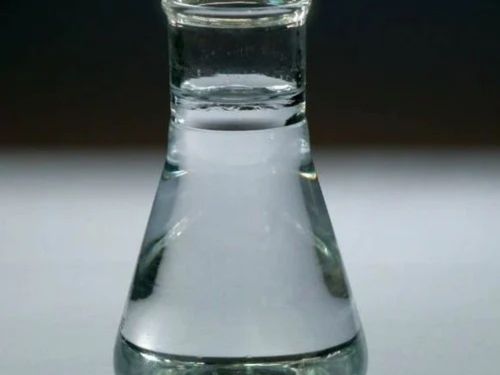
- Form: Clear, colorless, volatile liquid
- CAS No.: 67-64-1
- Molecular Formula: C₃H₆O
- Molecular Weight: 58.08 g/mol
Acetone Specification Table
| Property |
Value/Range |
Notes/Method |
| Appearance |
Clear, colorless liquid |
Visual |
| Purity (Assay) |
≥99.5% |
Gas Chromatography (GC) |
| Density (20°C) |
0.784–0.791 g/cm³ |
ASTM D4052 |
| Boiling Point |
56.0–56.5°C |
ASTM D86 |
| Melting Point (Freezing Point) |
-94.6°C |
|
| Flash Point (Closed Cup) |
-17.8°C |
ASTM D93 |
| Autoignition Temperature |
465°C |
|
| Water Content |
≤0.3% |
Karl Fischer |
| Acidity (as Acetic Acid) |
≤0.001% |
ASTM D1613 |
| Alkalinity |
≤0.006 meq/g |
|
| Viscosity (15°C) |
0.3371 cP |
|
| Refractive Index (20°C) |
1.3591 |
|
| Solubility in Water |
Completely miscible |
|
| Vapor Pressure (20°C) |
181.7 mmHg |
|
| Explosive Limits (in air) |
2.6–12.8% |
|
Downloadable TDS:
A comprehensive Technical Data Sheet (TDS) is available for download, providing detailed mechanical, thermal, and electrical properties, as well as processing guidelines for polystyrene.
Application Sectors and Industries of Acetone
Paints & Coatings
Acetone is widely used as a solvent in the formulation of paints, varnishes, and coatings. Its rapid evaporation rate ensures quick drying and smooth film formation, making it ideal for automotive, industrial, and decorative coatings.
Adhesives & Sealants
As a powerful solvent, acetone dissolves resins and polymers, improving the application and performance of adhesives and sealants in construction, packaging, and woodworking industries.
Pharmaceuticals
Acetone serves as a solvent and intermediate in the synthesis of active pharmaceutical ingredients, extraction processes, and the manufacture of tablets and topical formulations.
Cosmetics & Personal Care
Used in nail polish removers, skin cleansers, and cosmetic formulations, acetone’s solvency and rapid evaporation make it effective for cleaning and degreasing.
Chemical Manufacturing
Acetone is a key intermediate in the production of methyl methacrylate, bisphenol-A, and other important chemicals. It is also used as a reaction solvent in organic synthesis.
Laboratory & Analytical
Essential for cleaning laboratory glassware and dissolving organic compounds, acetone is a staple solvent in research, quality control, and analytical laboratories.
Plastics & Polymers
Acetone is used to clean, degrease, and bond plastic surfaces, as well as to dissolve and process polymers in the plastics industry.
Textile Industry
Acts as a degreasing agent and solvent for dyes and finishes, improving the quality and consistency of textile products.
Electronics
Used for degreasing and cleaning electronic components and circuit boards, acetone ensures residue-free surfaces for assembly and repair.
Automotive
Acetone is employed in cleaning, degreasing, and surface preparation for painting and repairs, as well as in the formulation of fuel additives.
Packaging Types
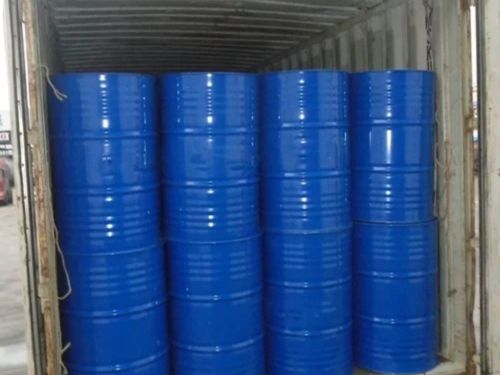
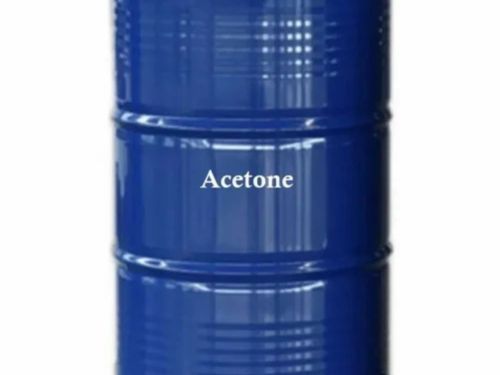
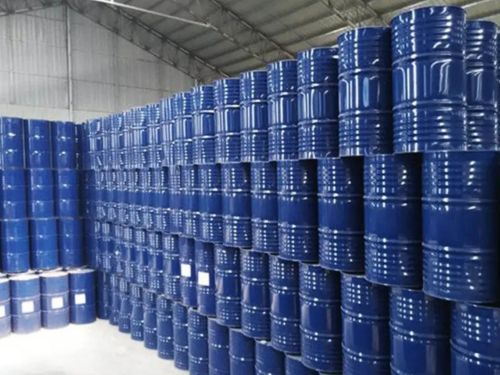
- 200 kg Drums: Sealed steel or HDPE drums for safe, large-scale storage and transport.
- IBC Totes (1,000 liters): Intermediate bulk containers for high-volume industrial users.
- Bulk Tankers: Insulated stainless-steel tankers for direct delivery to manufacturing sites.
- 20–25 Liter Cans: Smaller, convenient containers for laboratory and specialty applications.
- Custom Packaging: Available for research and development or customer-specific requirements.
Acetone is a highly versatile, cost-effective solvent essential for modern manufacturing, research, and industrial processes. Its exceptional solvency, rapid evaporation, and compatibility with a wide range of materials make it indispensable across sectors. For comprehensive technical specifications, safety data, and application guidance, request the downloadable TDS.