
Other Names:
Sal Ammoniac, Salmiac, Ammonium Muriate, Ammonium Chloratum, Ammonium Chloridum, Ammonium Salt, Sal Ammonia
Specification Summary
- Purity: 99.0–99.9% (Technical, Food, and Pharmaceutical Grades)
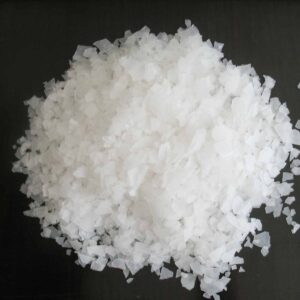
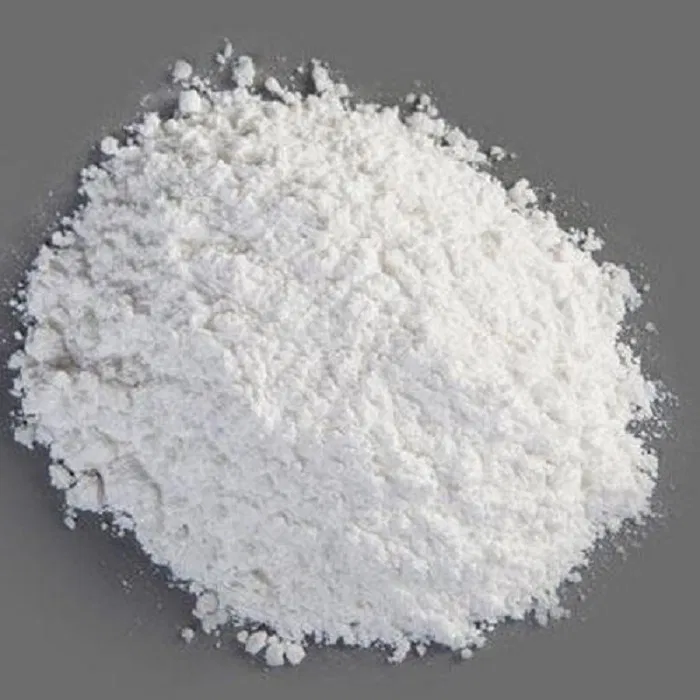
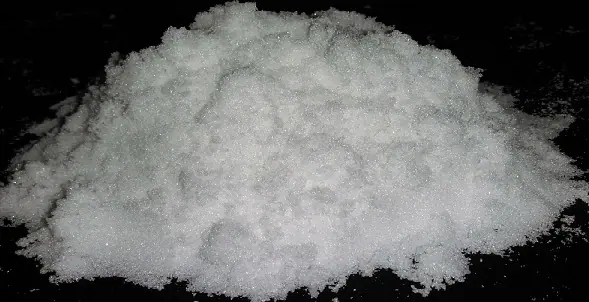
- Form: White crystalline powder or granules
- CAS No.: 12125-02-9
- Molecular Formula: NH₄Cl
- Molecular Weight: 53.49 g/mol
Product Description
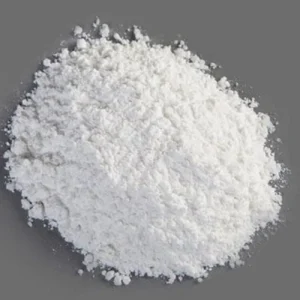
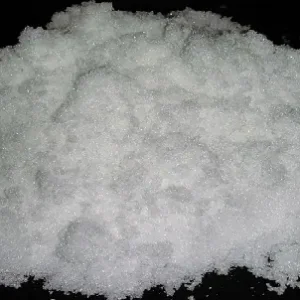
Ammonium Chloride is a highly soluble, white, odorless crystalline salt with a mildly acidic nature in aqueous solutions. It is hygroscopic, readily absorbing moisture from the air, and forms clear solutions in water. Ammonium chloride is stable under normal storage but can react with strong bases and acids. Its solutions are mildly corrosive and can acidify their environment, making it useful for a wide range of industrial and scientific applications.
Ammonium Chloride Specification Table
| Property | Specification / Value |
| Chemical Name | Ammonium Chloride |
| Other Names | Sal Ammoniac, Salmiac, Ammonium Muriate |
| CAS Number | 12125-02-9 |
| Molecular Formula | NH₄Cl |
| Molecular Weight | 53.49 g/mol |
| Appearance | White crystalline powder/granules |
| Purity (NH₄Cl) | 99.0–99.9% |
| Density (20°C) | 1.53 g/cm³ |
| Melting Point | 338–340°C |
| Solubility in Water (20°C) | 372 g/L |
| pH (5% Solution) | 4.5–6.0 |
| Hygroscopicity | Absorbs moisture from air |
| Bulk Density | 600–900 kg/m³ |
| Iron (Fe) Content | ≤10 ppm |
| Chloride Content | ≥60% |
| Loss on Drying | ≤0.5% |
Downloadable TDS
A comprehensive Technical Data Sheet (TDS) is available, providing full chemical, physical, and safety specifications, as well as handling, storage, and regulatory compliance information.
Application Sectors and Industries of Ammonium Chloride
Agriculture and Fertilizers
Ammonium chloride is a valuable nitrogen source in fertilizers, especially for rice and wheat. It promotes rapid plant growth and is favored in chloride-tolerant crops where it improves yield and soil fertility.
Metal Processing and Metallurgy
Widely used as a flux in galvanizing, tinning, and soldering, ammonium chloride removes metal oxides and ensures strong adhesion of coatings. It is also used in the preparation of zinc and tin surfaces for enhanced corrosion resistance.
Pharmaceuticals and Medicine
Ammonium chloride acts as an expectorant in cough syrups, helping to loosen mucus in the respiratory tract. It is also used to acidify urine and manage certain metabolic disorders and urinary tract infections.
Food and Beverage Industry
Food-grade ammonium chloride is used as a leavening agent in baking powders, a flavoring in licorice, and a pH regulator in processed foods and beverages. Its use is subject to strict regulatory standards.
Battery Manufacturing
Essential as an electrolyte in zinc-carbon dry cell batteries, it improves conductivity and enhances battery performance and shelf life.
Textile and Dyeing
Ammonium chloride serves as a dye-fixing agent in textile printing and dyeing, improving color fastness and uniformity on fabrics.
Laboratory and Chemical Synthesis
Used as a reagent and buffer in analytical chemistry, ammonium chloride is vital for experimental studies, buffer solutions, and chemical syntheses.
Water Treatment
Applied in chloramination processes for water purification, ammonium chloride helps control microbial growth and maintain water quality in municipal systems.
Environmental and Smoke Generation
Used in smoke-producing compounds for military, special effects, and fire training applications, ammonium chloride creates dense, non-toxic smoke.
Mining and Explosives
Acts as a component in explosives and blasting agents, and is used for pH control and mineral processing in mining operations.
Packaging Types
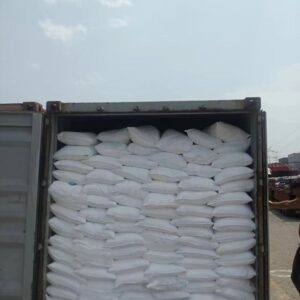
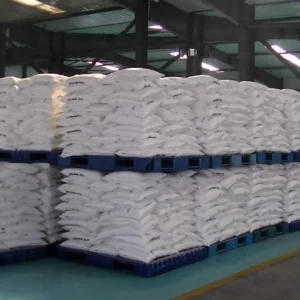
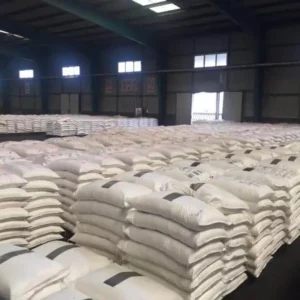
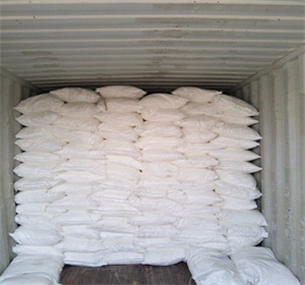
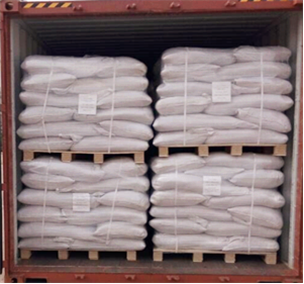
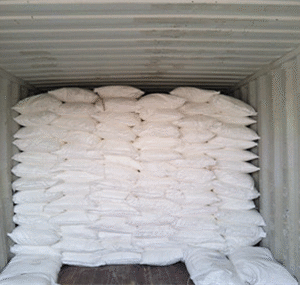
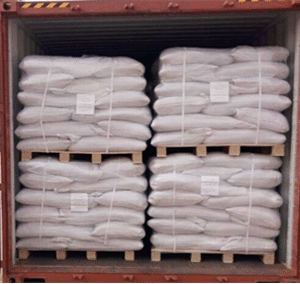
- 25 kg Polyethylene or Paper Bags:
Moisture-resistant, sealed bags suitable for manual handling and small-scale industrial or agricultural use. - 50 kg Multi-Wall Paper Bags:
Heavy-duty, lined bags for bulk users in fertilizer, metal processing, or chemical industries. - 1,000 kg Jumbo Bags (FIBCs):
Flexible Intermediate Bulk Containers for efficient storage and transport in large-scale manufacturing or export operations. - Plastic Bottles (0.5–5 kg):
Tamper-evident containers for laboratory, pharmaceutical, or specialty use. - Bulk Tankers:
Used for direct delivery to major industrial customers, ensuring product integrity and minimizing contamination.
For detailed product specifications, safety data, and regulatory compliance, please download the Technical Data Sheet (TDS) or contact our technical support team.