Product Technical Informatio
- Purity: ≥99% (industrial/technical grade)
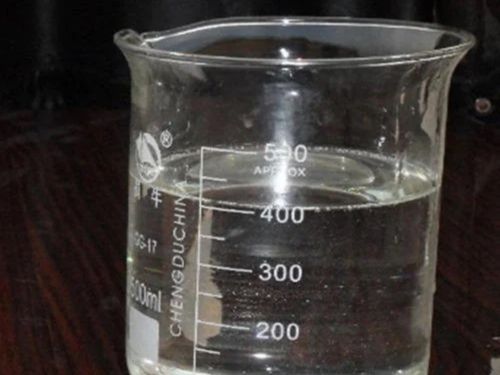
- Form: Clear, colorless, moderately viscous liquid
- CAS No.: 111-46-6
- Molecular Formula: C₄H₁₀O₃
- Molecular Weight: 106.12 g/mol
Diethylene Glycol Specification Table
| Property |
Value/Range |
Notes/Method |
| Appearance |
Clear, colorless liquid |
Visual |
| Purity |
≥99% |
Industrial grade |
| Molecular Weight |
106.12 g/mol |
|
| Boiling Point |
244.9°C |
At 760 mm Hg |
| Melting/Freezing Point |
-6.5°C to -10°C |
|
| Density (20°C) |
1.1182 g/cm³ |
|
| Refractive Index (20°C) |
1.4472 |
|
| Flash Point (Closed Cup) |
138°C |
|
| Vapor Pressure (25°C) |
0.008 hPa |
|
| Viscosity (20°C) |
35.7 mPa·s |
|
| Solubility in Water |
Completely miscible |
|
| Surface Tension (25°C) |
44.8 mN/m |
|
| pH (5% solution) |
6–8 |
|
Downloadable TDS:
A comprehensive Technical Data Sheet (TDS) is available for download, providing detailed mechanical, thermal, and electrical properties, as well as processing guidelines for polystyrene
Application Sectors and Industries of Diethylene Glycol
Polyester Resin & Polyol Production
DEG is a key intermediate in the synthesis of unsaturated polyester resins, polyester polyols, and thermoplastic polyurethanes. Its chemical structure enhances flexibility, durability, and chemical resistance in finished plastics and foams, widely used in automotive, construction, and consumer goods.
Plasticizers & Adhesives
DEG acts as a plasticizer intermediate, imparting softness and flexibility to adhesives, glues, and sealants. Its ability to modify viscosity and improve workability is essential for industrial and consumer adhesive formulations
Printing Inks & Paints
As a solvent and coupling agent, DEG ensures even dispersion of pigments and dyes in printing inks and water-based paints. It improves print quality, drying time, and shelf life, making it valuable in the graphic arts and coatings industries
Textile Industry
DEG is used as a humectant, lubricant, and softening agent in textile processing. It enhances fiber pliability, dye uptake, and overall textile quality, supporting both synthetic and natural fiber manufacturing
Gas Dehydration
In the oil and gas sector, DEG serves as a dehydrating agent for natural gas streams. It effectively absorbs water vapor, preventing hydrate formation and ensuring safe, efficient gas transport
Personal Care & Cosmetics
DEG functions as a humectant and solvent in lotions, creams, shampoos, and other personal care products. Its moisture-retaining properties improve product texture and skin feel, contributing to consumer satisfaction
Pharmaceuticals
In pharmaceutical manufacturing, DEG is utilized as a solvent for active pharmaceutical ingredients (APIs) and excipients. Its compatibility with a wide range of compounds supports the formulation of oral, topical, and injectable medications
Tobacco Industry
DEG is used as a humectant in tobacco processing, maintaining moisture and pliability in tobacco leaves. This extends shelf life and enhances the quality of cigarettes and other tobacco products
Cement, Glass, and Foundry
DEG acts as a grinding aid and lubricant in cement and glass manufacturing, improving processing efficiency and final product quality. It also serves as a binder in foundry sand-molding applications
Deicing & Antifreeze Solutions
Due to its low freezing point and thermal stability, DEG is an ingredient in deicing fluids and antifreeze formulations for industrial and transportation applications. It prevents ice formation and ensures reliable operation in cold environments
Packaging Types
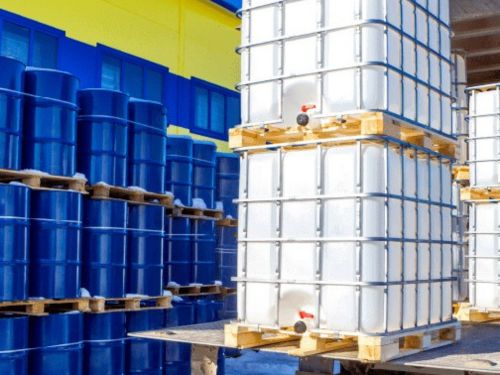
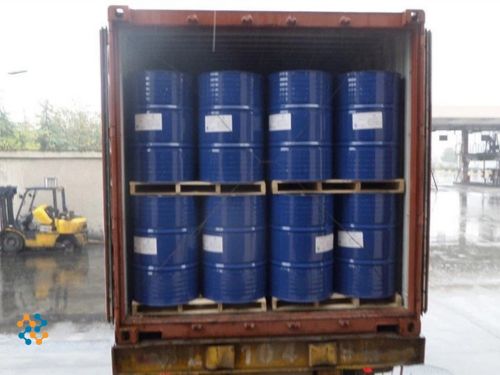
- 225–230 kg Drums: Standard steel or HDPE drums for safe and efficient liquid storage and transportation.
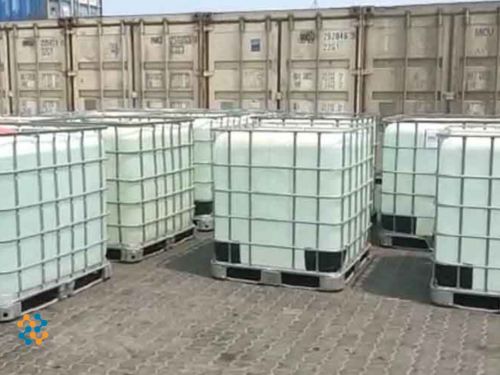
- IBC Totes (1,000 liters): Intermediate bulk containers for high-volume industrial users, allowing easy handling and dispensing.
- Bulk Tankers: Insulated stainless-steel tankers for large-scale delivery, ensuring product purity and integrity during transit.
- Small Containers (5–25 liters): Sealed plastic or metal cans for laboratory, pilot plant, or specialty applications.
- ISO Tank Containers: For international bulk transport, providing secure, compliant shipping for global customers.
Diethylene Glycol (DEG) is a versatile, high-purity chemical essential to numerous industries for its solvent power, hygroscopicity, and chemical compatibility. For comprehensive technical specifications, handling guidelines, and safety information, please request the downloadable TDS