Product Technical Information
- Purity: 94–98% (Technical, Battery, Analytical, and Pure Grades)
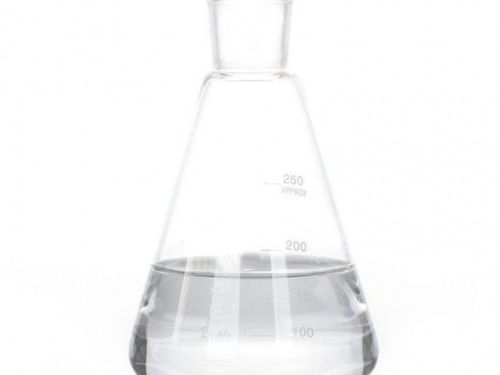
- Form: Clear, colorless to slightly yellow, oily liquid
- CAS No.: 7664-93-9
- Molecular Formula: H₂SO₄
- Molecular Weight: 98.08 g/mol
Sulfuric Acid Specification Table
| Property |
Specification / Value |
| Chemical Name |
Sulfuric Acid |
| Other Names |
Oil of Vitriol, Battery Acid |
| CAS Number |
7664-93-9 |
| Molecular Formula |
H₂SO₄ |
| Molecular Weight |
98.08 g/mol |
| Appearance |
Clear, colorless to slightly yellow oily liquid |
| Purity (H₂SO₄) |
94–98% (common grades) |
| Density (20°C, 98% sol.) |
1.84 g/cm³ |
| Melting Point |
10°C |
| Boiling Point |
337°C |
| pH (1% Solution) |
<1 |
| Solubility in Water |
Completely miscible (exothermic) |
| Corrosivity |
Highly corrosive to metals and tissue |
| Vapor Pressure (20°C) |
~0.3 mm Hg |
Downloadable TDS
A comprehensive Technical Data Sheet (TDS) is available, providing detailed chemical, physical, and safety information, as well as handling, storage, and regulatory compliance guidelines.
Application Sectors and Industries of Sulfuric Acid
Fertilizer Production
Sulfuric acid is the primary raw material for manufacturing phosphate fertilizers, such as superphosphate and ammonium sulfate. Its reactivity ensures efficient conversion of phosphate rock into plant-available forms, supporting global agricultural productivity.
Chemical Manufacturing
Widely used in the synthesis of other acids (hydrochloric, nitric, phosphoric), dyes, pigments, detergents, and a variety of inorganic and organic chemicals. Its strong acidity and dehydrating nature make it a universal catalyst and reactant.
Petroleum Refining
Employed in the purification of petroleum products, alkylation, and removal of impurities. Sulfuric acid helps produce cleaner fuels and enhances the efficiency of refining processes.
Metal Processing and Pickling
Essential for pickling and cleaning metals such as steel, copper, and aluminum, sulfuric acid removes rust, scale, and oxides, preparing surfaces for further processing like galvanizing or plating.
Mining and Mineral Processing
Used in the extraction and processing of metals such as copper, uranium, and zinc. Sulfuric acid leaches valuable metals from ores and is crucial in hydrometallurgical operations.
Battery Manufacturing
A key component in lead-acid batteries, sulfuric acid acts as the electrolyte, enabling the storage and release of electrical energy in automotive and industrial batteries.
Water and Wastewater Treatment
Applied for pH adjustment, neutralization of alkaline effluents, and removal of impurities. Its effectiveness ensures compliance with environmental regulations and safe water discharge.
Textile and Dye Industry
Sulfuric acid is used in the production of synthetic fibers (rayon), dye intermediates, and as a pH regulator in textile processing, enhancing color fastness and fabric quality.
Explosives and Defense
A critical ingredient in the manufacture of explosives such as TNT, nitroglycerin, and other energetic materials, sulfuric acid provides the necessary nitration and sulfonation reactions.
Pulp and Paper Industry
Used for pulp digestion, pH control, and the production of specialty papers, sulfuric acid improves paper strength, brightness, and processing efficiency.
Packaging Types
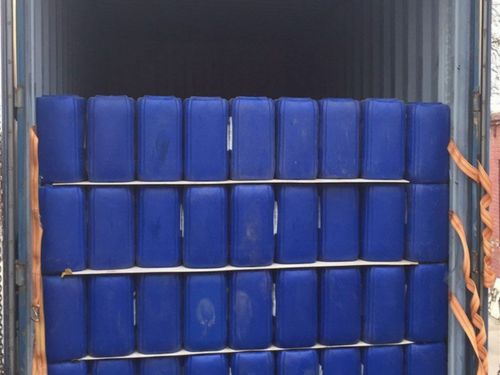
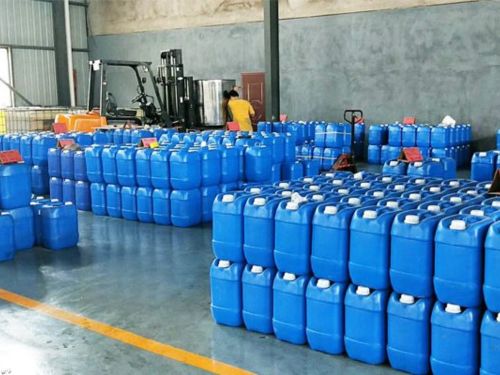
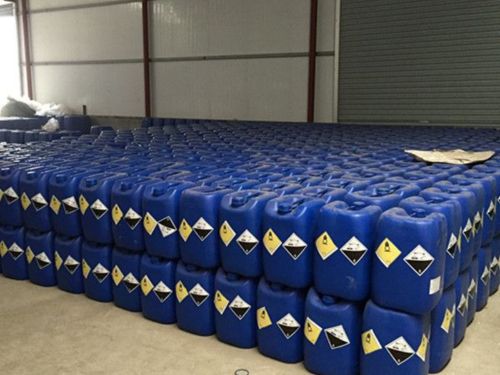
- 25 kg HDPE Drums:
Chemically resistant, sealed drums for safe storage and handling in small to medium quantities.
- 200 kg HDPE or Steel Drums:
UN-certified drums for bulk transport and industrial use, ensuring product integrity and safety.
- 1,000 kg IBC Tanks (Intermediate Bulk Containers):
Large, reusable containers for efficient storage and transport in manufacturing and water treatment facilities.
- Bulk Tankers:
Used for direct delivery to major industrial customers, minimizing handling and contamination risks.
- Custom Packaging:
Available for high-purity, analytical, or laboratory-grade requirements, including tamper-evident and lined options.
For detailed product specifications, safety data, and regulatory compliance, please download the Technical Data Sheet (TDS) or contact our technical support team.