Product Technical Information
- Purity: ≥99% (industrial grade), >99% (high-purity grades)
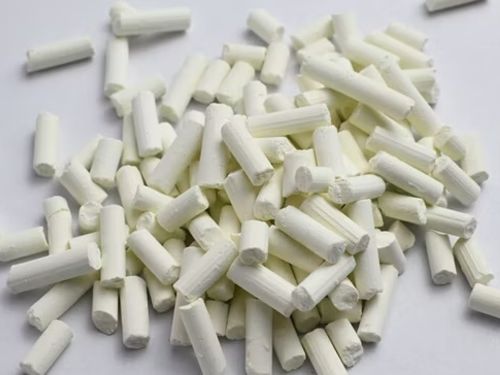
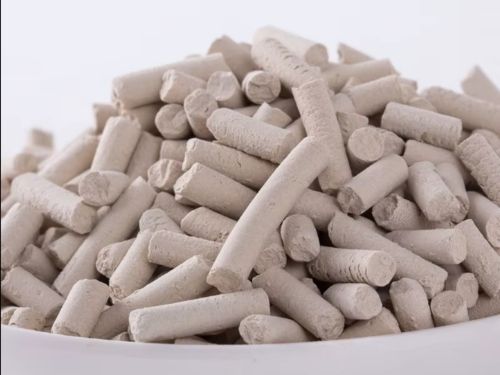
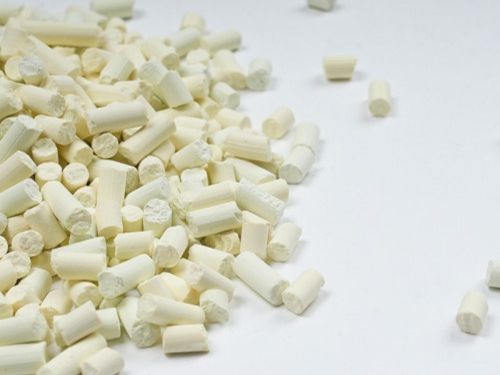
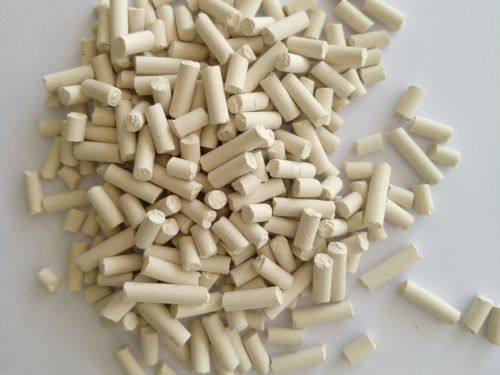
- Form: White to yellowish powder, pellets, rings, star rings, extrudates
- CAS No.: 1314-13-2
- Molecular Formula: ZnO
- Molecular Weight: 81.37 g/mol
Zinc Oxide Catalysts Specification Table
| Property |
Value/Range |
Notes/Method |
| Appearance |
White to yellowish powder |
Visual |
| Purity (ZnO Content) |
≥99% |
Elemental analysis |
| Form |
Pellets, rings, extrudates |
4–10 mm sizes |
| Bulk Density |
1.1–1.3 kg/l |
ASTM D4052 |
| Crush Strength |
≥8 kgf (pellets), ≥50 kgf (rings) |
ASTM D4179 |
| Operating Temperature |
180–420°C |
Gas-phase applications |
| Surface Area |
10–50 m²/g |
BET method |
| Solubility |
Insoluble in water, soluble in acids |
|
| LOI (Loss on Ignition) |
≤2–10% |
540°C heating |
| Sulfur Capacity |
20–30 wt% |
H₂S absorption |
Downloadable TDS
A comprehensive Technical Data Sheet (TDS) is available for download, providing detailed mechanical, thermal, and electrical properties, as well as processing guidelines for polystyrene
Application Sectors and Industries of Zinc Oxide Catalysts
Oil & Gas Desulfurization
Removes H₂S, COS, and organic sulfur from natural gas, syngas, and hydrocarbon feedstocks. Protects downstream catalysts in refineries and petrochemical plants.
Hydrogen & Ammonia Production
Purifies feed gases in hydrogen and ammonia synthesis, reducing sulfur to <0.1 ppm to prevent catalyst poisoning.
Methanol & Alcohol Synthesis
Ensures sulfur-free feedstocks for methanol reactors, enhancing catalyst longevity and product purity.
Environmental Remediation
Captures sulfur emissions from industrial exhausts, reducing air pollution and complying with environmental regulations.
Rubber & Elastomer Manufacturing
Acts as a vulcanization accelerator and UV stabilizer in tire production, improving durability and weather resistance.
Pharmaceuticals & Cosmetics
Used in calamine lotions, ointments, and sunscreen formulations for its antiseptic and UV-blocking properties.
Ceramics & Glass Production
Enhances thermal resistance and opacity in glazes, ceramics, and specialty glass.
Electronics & Semiconductors
Serves as a piezoelectric material in sensors, transistors, and LED devices due to its semiconducting properties.
Agriculture
Neutralizes acidic soils and acts as a micronutrient in fertilizers, promoting plant growth.
Paints & Coatings
Provides UV resistance and anti-corrosive properties in industrial coatings and marine paints.
Packaging Types
- 25 kg Bags: Moisture-resistant packaging for powdered ZnO catalysts.
- 200 kg Drums: Sealed steel or HDPE drums for pellet/ring extrudates.
- IBC Totes (1,000 liters): For bulk handling in large-scale desulfurization units.
- Bulk Tankers: Insulated stainless-steel containers for high-volume industrial users.
- Custom Packaging: Lab-scale quantities (1–5 kg) in tamper-evident containers for R&D.
Zinc Oxide (ZnO) catalysts are indispensable for sulfur removal, environmental protection, and high-purity chemical synthesis. Their tailored pore structures, thermal stability, and high absorption capacity ensure cost-effective operation across industries. For detailed performance metrics, safety guidelines, and regulatory compliance, request the downloadable TDS.