

resources
Calcium Nitrate: Uses, Benefits & Industry Applications
Aug
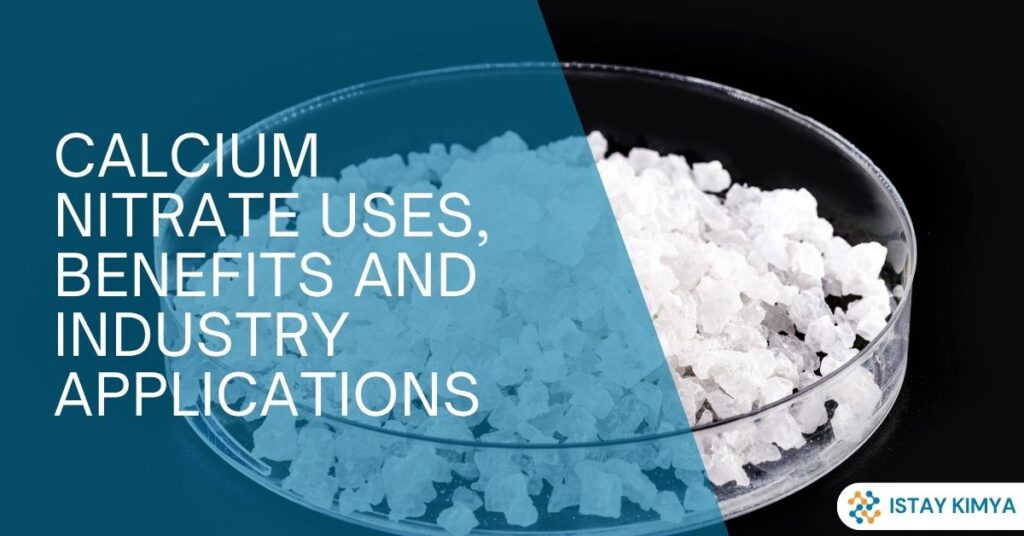
Calcium nitrate, chemically represented as Ca(NO₃)₂, is an inorganic compound that appears as a white, crystalline solid. It is highly soluble in water, making it readily available for various applications. This compound serves as a source of both calcium and nitrogen, essential nutrients for plant growth, and plays a significant role in construction and wastewater treatment industries.
Table of Contents
- Chemical Composition and Properties
- Production Methods
- Agricultural Applications
- Benefits in Crop Production
- Application Methods in Farming
- Use in Hydroponics and Greenhouses
- Role in Wastewater Treatment
- Applications in Construction Industry
- Use in Cold Weather Concreting
- Industrial Applications Beyond Construction
- Safety and Handling Precautions
- Environmental Impact and Sustainability
- Comparison with Other Fertilizers
- Frequently Asked Questions (FAQs)
Chemical Composition and Properties
-
Molecular Formula: Ca(NO₃)₂
-
Molar Mass: 164.088 g/mol
-
Appearance: White, crystalline solid
-
Solubility: Highly soluble in water
-
Melting Point: 561°C
-
Density: 2.36 g/cm³
Calcium nitrate’s high solubility allows for quick absorption in plants and efficient mixing in industrial processes.
Production Methods
Calcium nitrate is produced through the reaction of limestone (calcium carbonate) with nitric acid, resulting in a solution that is then evaporated to obtain the solid form. Alternatively, it can be synthesized by neutralizing nitric acid with calcium hydroxide.
For an overview of the neutralizing agent used in this production route, see our guide to calcium hydroxide (slaked lime) and its wider industrial applications.
Agricultural Applications
In agriculture, calcium nitrate is primarily used as a fertilizer. It provides plants with readily available calcium and nitrogen, promoting healthy growth and development. This fertilizer is particularly beneficial for crops like tomatoes, peppers, and apples, which are prone to calcium deficiencies.
Many growers combine calcium-based nutrition with potassium sulfate for chloride-sensitive crops, adding potassium and sulfur without raising chloride levels in the root zone.
Benefits in Crop Production
-
Prevents Blossom End Rot: Calcium nitrate helps prevent this common disorder in tomatoes and peppers by supplying adequate calcium.
-
Enhances Fruit Quality: Improves firmness and shelf life of fruits.
-
Promotes Root Development: Calcium strengthens cell walls, leading to robust root systems.
-
Improves Nutrient Uptake: The nitrate form of nitrogen enhances the absorption of other nutrients.
Application Methods in Farming
-
Soil Application: Incorporate into the soil before planting or as a side dressing during the growing season.
-
Foliar Spray: Apply a diluted solution directly to plant leaves for quick nutrient absorption.
-
Fertigation: Use in irrigation systems to deliver nutrients directly to the root zone.
Use in Hydroponics and Greenhouses
Calcium nitrate is a staple in hydroponic nutrient solutions, providing essential calcium and nitrogen without altering the pH significantly. In greenhouses, it supports continuous and controlled feeding, leading to consistent crop quality.
Role in Wastewater Treatment
In wastewater treatment, calcium nitrate is used to control odors by preventing the formation of hydrogen sulfide gas. It promotes the growth of beneficial bacteria that outcompete sulfate-reducing bacteria, thus reducing foul smells
Treatment plants that also require alkalinity adjustment often pair nitrate dosing with lime-based pH correction with calcium oxide in the same process line.
Applications in Construction Industry
Calcium nitrate acts as a set accelerator in concrete, especially useful in cold weather conditions. It speeds up the hydration process, allowing concrete to set and gain strength faster.
Use in Cold Weather Concreting
During low temperatures, concrete setting slows down, which can delay construction projects. Adding calcium nitrate accelerates the setting time, ensuring timely project completion and improved strength development.
Industrial Applications Beyond Construction
-
Latex Production: Used as a coagulant in the manufacturing of latex products like gloves.
-
Explosives Manufacturing: Serves as an oxidizing agent in the production of explosives.
-
Refrigeration Systems: Employed in certain refrigeration applications due to its thermal properties.
Safety and Handling Precautions
-
Storage: Keep in a cool, dry place away from combustible materials.
-
Handling: Use personal protective equipment to avoid skin and eye contact.
-
Disposal: Follow local regulations for disposal to prevent environmental contamination.
Environmental Impact and Sustainability
While calcium nitrate is beneficial in many applications, excessive use, especially in agriculture, can lead to nitrate leaching into water bodies, causing eutrophication. Proper application rates and timing are essential to minimize environmental risks.
Comparison with Other Fertilizers
| Fertilizer | Nutrient Content | Solubility | Application |
|---|---|---|---|
| Calcium Nitrate | 15.5% N, 19% Ca | High | Fertigation, foliar, soil |
| Urea | 46% N | High | Soil application |
| Ammonium Nitrate | 34% N | High | Soil application |
| Calcium Ammonium Nitrate | 27% N, 8% Ca | Moderate | Soil application |
Calcium nitrate stands out for its dual nutrient provision and versatility in application methods.
Where rapid nitrogen availability matters more than calcium supply, some buyers specify ammonium chloride as a fast-release nitrogen source, particularly for chloride-tolerant crops such as rice.
Frequently Asked Questions (FAQs)
Q1: Can calcium nitrate be mixed with other fertilizers?
Yes, but avoid mixing with fertilizers containing phosphates or sulfates to prevent precipitation.
Q2: Is calcium nitrate suitable for all crops?
It is beneficial for many crops, especially those prone to calcium deficiencies, like tomatoes and apples.
Q3: How often should calcium nitrate be applied in agriculture?
Application frequency depends on crop needs and soil tests; consult agronomic guidelines for specific recommendations.
Q4: Does calcium nitrate affect soil pH?
It has a neutral to slightly acidic effect, making it suitable for most soil types.
Q5: Where can I purchase high-quality calcium nitrate?
You can explore and purchase calcium nitrate at Istay Kimya.
