

resources
Activated Carbon: Versatile Applications Across Industries
Sep
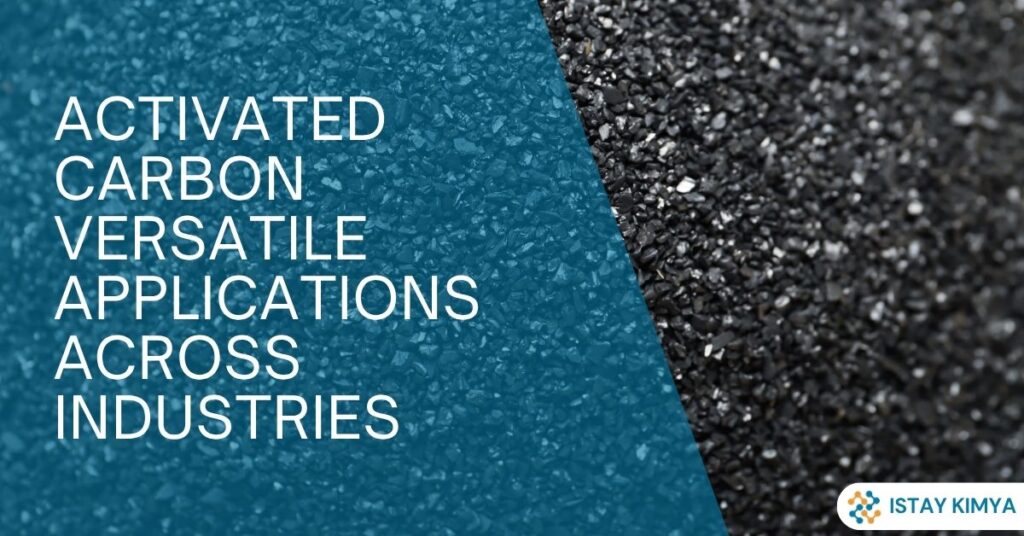
Activated carbon, also known as activated charcoal, is a highly porous form of carbon with an extensive surface area, making it exceptionally effective at adsorbing contaminants. This unique material is commonly used in air and water filtration systems due to its ability to trap various pollutants, including chemicals, odors, and gases.
Table of Contents
- Understanding Activated Carbon
- Types of Activated Carbon
- Applications in Water Treatment
- Air and Gas Purification
- Use in Food and Beverage Industry
- Pharmaceutical and Medical Applications
- Environmental Remediation
- Gold Recovery and Mining
- Chemical and Petrochemical Industries
- Automotive Applications
- Agricultural Uses
- Textile and Dye Industry
- Electronics and Energy Storage
- FAQs
Understanding Activated Carbon
Activated carbon is produced by processing carbon-rich materials like coal, wood, or coconut shells at high temperatures in the absence of oxygen. This activation process creates a network of pores, increasing the surface area available for adsorption. The material’s effectiveness lies in its ability to trap contaminants through physical adsorption and chemical reactions.
Activated carbon is one of several adsorbents used in industrial moisture and contaminant control. For a comparison of related materials, see our overview of silica gel and other industrial desiccants.
Types of Activated Carbon
Different forms of activated carbon are tailored for specific applications:
-
Granular Activated Carbon (GAC): Used in water and air purification systems due to its large surface area.
-
Powdered Activated Carbon (PAC): Employed in wastewater treatment for its rapid adsorption properties.
-
Pelletized Activated Carbon: Preferred in gas phase applications like solvent recovery.
-
Impregnated Activated Carbon: Treated with chemicals to enhance adsorption of specific contaminants.
-
Catalytic Activated Carbon: Used to remove chloramines and hydrogen sulfide from water
Applications in Water Treatment
Activated carbon is widely used to purify drinking water, remove contaminants from wastewater, and treat industrial effluents. Its porous structure effectively adsorbs organic compounds, chlorine, pesticides, and other pollutants, improving water quality and taste.
Many treatment plants pair carbon filtration with oxidation chemistry. Learn more about industrial hydrogen peroxide for water treatment and its role in disinfection and effluent processing.
Air and Gas Purification
In air purification, activated carbon filters remove volatile organic compounds (VOCs), odors, and harmful gases. Industries utilize it to control emissions, purify air in confined spaces, and treat flue gases. Its effectiveness in trapping airborne pollutants makes it essential in maintaining air quality.
Where selective adsorption of specific gas molecules is required, zeolite molecular sieves for gas separation are often specified alongside activated carbon in industrial purification systems.
Use in Food and Beverage Industry
Activated carbon plays a crucial role in decolorizing and purifying food products. It’s used to remove impurities from sugar, oils, and alcoholic beverages, ensuring product quality and safety. In brewing, it helps eliminate unwanted flavors and odors, enhancing the final product’s taste.
Pharmaceutical and Medical Applications
In the medical field, activated carbon is used to treat poisonings and overdoses by adsorbing toxins in the gastrointestinal tract. It’s also employed in hemodialysis to remove waste products from the blood and in wound dressings for its antibacterial properties.
Environmental Remediation
Activated carbon is instrumental in cleaning up environmental pollutants. It’s used to remediate contaminated soils and groundwater by adsorbing hazardous substances like pesticides and industrial chemicals, thereby preventing their spread and protecting ecosystems.
Gold Recovery and Mining
In the mining industry, activated carbon is utilized to extract gold from cyanide leach solutions. Its high adsorption capacity allows for efficient recovery of precious metals, making it a valuable component in gold processing operations.
Chemical and Petrochemical Industries
Activated carbon is employed to purify process streams, recover solvents, and remove impurities in chemical manufacturing. Its ability to adsorb a wide range of organic compounds makes it essential in maintaining product purity and meeting environmental regulations.
In refinery and gas processing operations, adsorbents often work alongside catalytic materials. See our zinc oxide (ZnO) desulfurization catalysts for sulfur removal from process streams.
Automotive Applications
In vehicles, activated carbon is used in cabin air filters to remove odors and pollutants, enhancing passenger comfort. It’s also applied in fuel vapor recovery systems to capture emissions, contributing to environmental protection and compliance with emission standards.
Agricultural Uses
Activated carbon serves as a soil amendment to improve fertility and retain nutrients. It’s also used to detoxify pesticides and herbicides in the soil, promoting healthier crop growth and reducing environmental impact.
Textile and Dye Industry
In textile manufacturing, activated carbon is used to remove color and impurities from dye solutions, ensuring consistent dyeing results. It also helps in treating wastewater generated during the dyeing process, reducing environmental pollution.
Electronics and Energy Storage
Activated carbon is utilized in supercapacitors and batteries for energy storage due to its high surface area and conductivity. It’s also applied in gas storage systems, such as hydrogen fuel cells, contributing to advancements in clean energy technologies.
FAQs
1. What is activated carbon made from?
Activated carbon is produced from carbon-rich materials like coal, wood, coconut shells, or peat, which are processed at high temperatures to create a porous structure.
2. How does activated carbon purify water?
It adsorbs contaminants onto its porous surface, effectively removing impurities like chlorine, organic compounds, and odors from water.
3. Can activated carbon be reused?
Yes, activated carbon can be regenerated through thermal or chemical processes, allowing for multiple uses before replacement is necessary.
4. Is activated carbon safe for medical use?
Yes, it’s commonly used in medical treatments for poisoning and overdose cases due to its ability to adsorb toxins in the digestive system.
5. Where can I purchase activated carbon?
You can explore and purchase activated carbon products at Istay Kimya.
