
Amphoteric surfactants are surface-active agents that contain both anionic and cationic groups. Depending on the pH of the solution, they can exhibit either positive or negative charges, making them highly versatile in various formulations. Their ability to function effectively in both acidic and alkaline environments sets them apart from other surfactant types. Table of Contents […]
Author Archives: Yakup
Bitumen, a viscous, black material derived from crude oil, is renowned for its adhesive and waterproofing properties. Its versatility makes it indispensable in various industries, particularly in construction and infrastructure development. Table of Contents Types of Bitumen and Their Properties Bitumen in Road Construction Understanding Asphalt Composition Types of Asphalt and Their Applications Asphalt in […]
Cutback Bitumen is a form of bitumen whose viscosity is reduced by the addition of a volatile solvent. This temporary thinning makes it easier to apply at lower temperatures. Once applied, the solvent evaporates, leaving the bitumen to perform its binding or waterproofing function. Table of Contents How Cutback Bitumen Is Made Types of Cutback […]
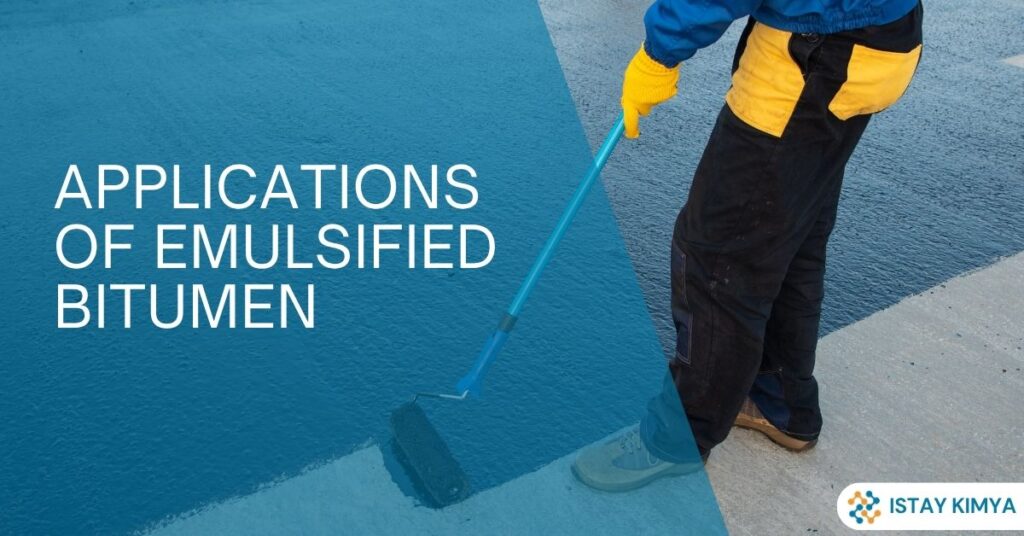
Emulsified bitumen is a versatile material widely used in construction and maintenance projects. It consists of bitumen dispersed in water with the help of emulsifying agents, allowing for application at lower temperatures compared to traditional hot bitumen. This property makes it suitable for various applications, including road construction, waterproofing, and roofing. Table of Contents Composition […]
Polymer Modified Bitumen (PMB) is an advanced form of bitumen enhanced with polymers to improve its performance characteristics. This modification results in a binder that offers superior elasticity, durability, and resistance to deformation, making it ideal for various demanding applications. For a broader view of how binders are specified across paving, roofing, and industrial uses, […]
Activated carbon, also known as activated charcoal, is a highly porous form of carbon with an extensive surface area, making it exceptionally effective at adsorbing contaminants. This unique material is commonly used in air and water filtration systems due to its ability to trap various pollutants, including chemicals, odors, and gases. Table of Contents Understanding […]
Silica gel is a granular, porous form of silicon dioxide made synthetically from sodium silicate. It’s widely recognized for its desiccant (drying) properties. Unlike what the name might imply, it’s actually solid and appears as tiny translucent beads. Table of Contents How Silica Gel Works: The Science Behind It Industrial Desiccation: Keeping Machinery Dry Silica […]
Zeolites are microporous, aluminosilicate minerals known for their unique ability to act as molecular sieves. Their crystalline structure allows them to selectively adsorb molecules based on size and polarity, making them invaluable across various industries. Table of Contents Understanding Zeolite Structure and Properties Zeolites in Agriculture Water Treatment Applications Role in Petrochemical Industry Environmental Remediation […]
Calcium Oxide (CaO), commonly known as quicklime or burnt lime, is a white, caustic, alkaline crystalline solid at room temperature. It is produced by heating limestone (calcium carbonate) in a kiln to temperatures above 900°C, a process known as calcination. The resulting product is a highly reactive compound with a wide range of industrial application […]
Calcium hydroxide, commonly known as slaked lime or hydrated lime, is a white, odorless powder with the chemical formula Ca(OH)₂. It is widely used across various industries due to its alkaline properties and versatility. Table of Contents Chemical Properties and Composition Production Process Applications in Construction Role in Water Treatment Agricultural Uses Food Industry Applications […]