

resources
Low-Density Polyethylene (LDPE): Uses, Benefits & Applications
May
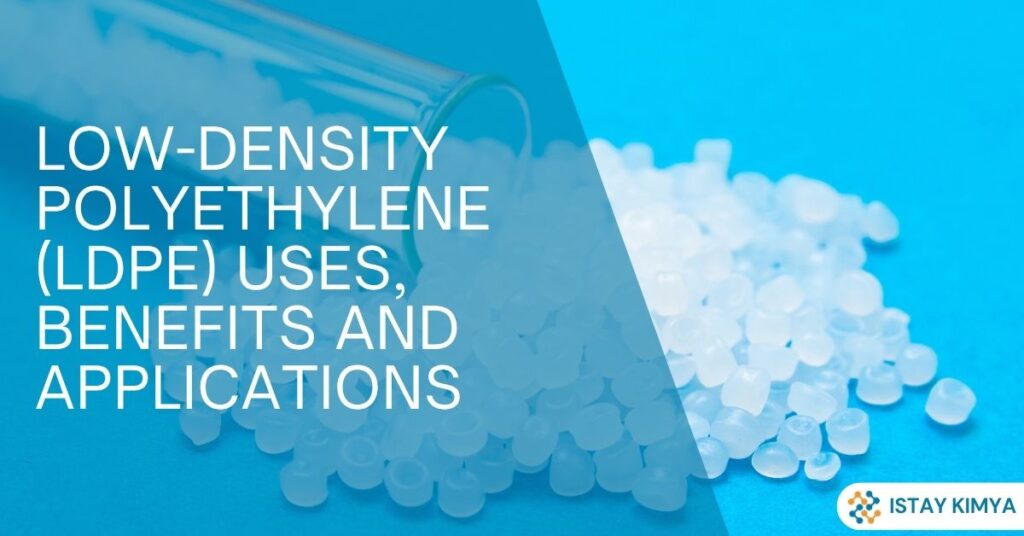
LDPE is a thermoplastic polymer made from the monomer ethylene. Characterized by its low density due to significant chain branching, LDPE is softer and more flexible than its high-density counterpart. It’s commonly used in applications requiring pliability and resilience
Table of Contents
- Key Properties of LDPE
- Manufacturing Process of LDPE
- Applications in Packaging Industry
- Role in Agricultural Sector
- Usage in Construction Industry
- LDPE in Medical and Healthcare
- Electrical and Electronics Applications
- Automotive Industry Utilization
- Consumer Goods and Household Items
- Comparison: LDPE vs. HDPE
- Environmental Impact and Recycling
- Advantages of Using LDPE
- Limitations and Considerations
- Frequently Asked Questions (FAQ)
Key Properties of LDPE
-
Flexibility: LDPE is known for its high flexibility, making it ideal for products that need to bend without breaking.
-
Chemical Resistance: It resists acids, alcohols, bases, and esters, making it suitable for various chemical-related applications.
-
Moisture Resistance: LDPE has excellent resistance to moisture, which is why it’s commonly used in packaging materials.
-
Transparency: Naturally translucent, allowing for some visibility through the material.
-
Durability: Despite being lightweight, LDPE is durable and can withstand impacts without cracking or breaking.
Manufacturing Process of LDPE
LDPE is produced through a high-pressure process involving free radical polymerization. Ethylene gas is compressed and heated in the presence of initiators, leading to the formation of branched polymer chains. This branching results in the low-density and flexible nature of LDPE.
For a broader view of how LDPE compares with other thermoplastics, see our industrial polymer selection guide, which covers property and processing criteria across common resin families.
Applications in Packaging Industry
LDPE’s flexibility and moisture resistance make it a staple in the packaging sector. Common applications include:
Film and packaging buyers often evaluate linear grades alongside conventional LDPE; our LLDPE vs LDPE performance comparison explains where each grade fits best.
-
Plastic Bags: Grocery bags, trash bags, and food storage bags.
-
Film Wraps: Cling films and shrink wraps for food and other products.
-
Squeeze Bottles: Used for condiments, shampoos, and lotions.
-
Liners: Protective liners for various containers.
Role in Agricultural Sector
In agriculture, LDPE is utilized for:
-
Greenhouse Films: Providing controlled environments for plant growth.
-
Mulch Films: Suppressing weed growth and retaining soil moisture.
-
Irrigation Pipes: Flexible tubing for efficient water distribution.
Usage in Construction Industry
LDPE’s properties are beneficial in construction:
-
Vapor Barriers: Preventing moisture infiltration in buildings.
-
Protective Sheeting: Covering materials during construction.
-
Cable Insulation: Protecting electrical wiring.
LDPE in Medical and Healthcare
In the medical field, LDPE is used for:
-
Disposable Gloves: Providing barrier protection.
-
Medical Tubing: Flexible tubes for various applications.
-
Packaging: Sterile packaging for medical devices.
Electrical and Electronics Applications
LDPE serves as an insulator in electrical applications:
-
Wire Coatings: Protecting against moisture and chemicals.
-
Cable Jackets: Providing flexibility and durability.
Automotive Industry Utilization
In automotive manufacturing, LDPE is found in:
-
Interior Panels: Flexible components within the vehicle.
-
Wire Harnesses: Insulating electrical systems.
-
Protective Covers: Shielding parts from dust and moisture.
Consumer Goods and Household Items
LDPE is prevalent in everyday products:
-
Containers: Storage boxes and bins.
-
Toys: Flexible and safe for children.
-
Household Goods: Various kitchen and bathroom items.
Comparison: LDPE vs. HDPE
| Property | LDPE | HDPE |
|---|---|---|
| Density | Lower (0.91–0.94 g/cm³) | Higher (0.94–0.97 g/cm³) |
| Flexibility | More flexible | More rigid |
| Strength | Lower tensile strength | Higher tensile strength |
| Transparency | More transparent in thin films | Opaque even in thin forms |
| Temperature Resistance | Less resistant to high temperatures | Better resistance to high temperatures |
| Applications | Plastic bags, films, containers | Pipes, containers, heavy-duty applications |
Environmental Impact and Recycling
LDPE is recyclable, though recycling rates vary globally. Recycled LDPE can be used in products like garbage can liners, floor tiles, and shipping envelopes. Efforts are ongoing to improve recycling processes and increase the use of recycled LDPE in manufacturing.
Advantages of Using LDPE
-
Cost-Effective: Relatively inexpensive to produce.
-
Versatile: Suitable for a wide range of applications.
-
Lightweight: Reduces transportation costs.
-
Chemical Resistance: Suitable for various chemical applications.
-
Ease of Processing: Can be molded and shaped easily.
Limitations and Considerations
-
Low Heat Resistance: Not suitable for high-temperature applications.
-
UV Sensitivity: Can degrade with prolonged sun exposure.
-
Mechanical Strength: Lower compared to other plastics like HDPE.
Frequently Asked Questions (FAQ)
Q1: Is LDPE safe for food packaging?
Yes, LDPE is commonly used for food packaging due to its moisture resistance and chemical inertness.
Q2: Can LDPE be recycled?
Yes, LDPE is recyclable, though recycling facilities and programs vary by location.
Q3: What are the main differences between LDPE and HDPE?
LDPE is more flexible and less dense, while HDPE is more rigid and has higher tensile strength.
Procurement teams weighing the two resins can review HDPE uses in rigid containers and piping for a closer look at where the higher-density grade performs better.
Q4: Is LDPE suitable for outdoor applications?
LDPE can be used outdoors but may degrade over time due to UV exposure unless stabilized.
Q5: What industries commonly use LDPE?
Industries such as packaging, agriculture, construction, medical, and automotive frequently utilize LDPE.
For more information on LDPE products, visit Istay Kimya’s LDPE Product Page.
