

resources
Polypropylene: Properties, Benefits & Industrial Applications
Jun
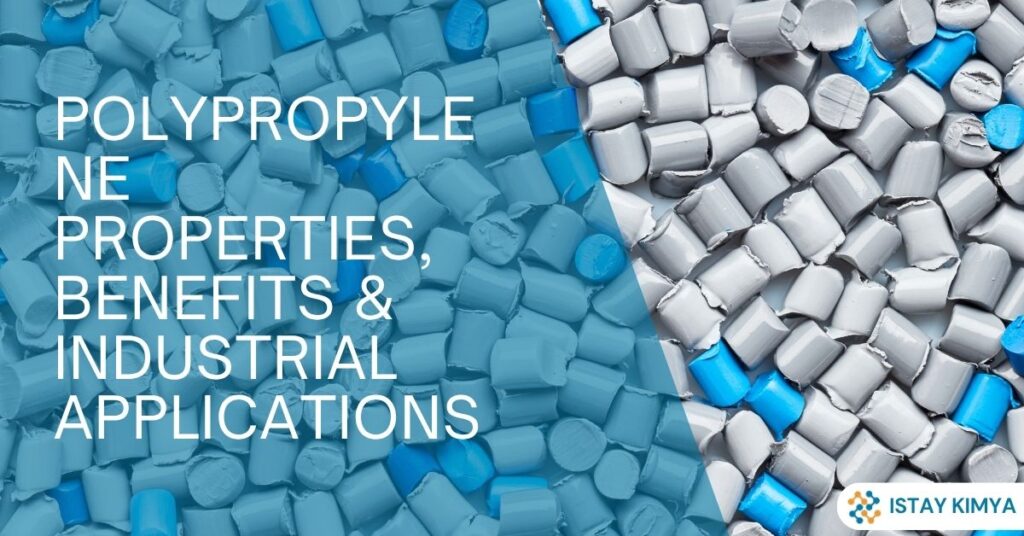
Polypropylene (PP) is a thermoplastic polymer widely used in various industries due to its versatility, durability, and cost-effectiveness. It is produced through the polymerization of propylene monomers, resulting in a material that is lightweight yet strong, resistant to many chemical solvents, bases, and acids.
Table of Contents
- Key Properties of Polypropylene
- Advantages of Using Polypropylene
- Polypropylene in Packaging Industry
- Applications in Automotive Sector
- Use in Medical and Healthcare Fields
- Role in Textile and Fiber Industry
- Applications in Consumer Goods
- Use in Construction and Building Materials
- Polypropylene in Agriculture
- Electrical and Electronics Applications
- Polypropylene in Household Products
- Environmental Impact and Recycling
- Comparison with Other Polymers
- Frequently Asked Questions
Key Properties of Polypropylene
-
Lightweight: With a density of approximately 0.90 g/cm³, PP is one of the lightest plastics available, making it ideal for applications where weight reduction is crucial.
-
Chemical Resistance: PP exhibits excellent resistance to a wide range of chemicals, including acids and bases, making it suitable for containers and pipes that come into contact with corrosive substances.
-
Thermal Resistance: It has a melting point of around 130-171°C, allowing it to withstand higher temperatures compared to other plastics like polyethylene.
-
Mechanical Strength: PP has good tensile strength and impact resistance, making it durable for various applications.
-
Low Moisture Absorption: Its low water absorption rate ensures dimensional stability in moist environments.
Advantages of Using Polypropylene
-
Versatility: PP can be easily molded into various shapes and forms, accommodating a wide range of applications.
-
Cost-Effective: It is relatively inexpensive to produce, offering economic advantages for manufacturers.
-
Recyclability: PP is recyclable, contributing to environmental sustainability efforts.
-
Fatigue Resistance: It can withstand repeated bending and flexing, making it ideal for applications like living hinges.
Polypropylene in Packaging Industry
PP is extensively used in the packaging sector due to its clarity, strength, and barrier properties. Applications include:
Buyers sourcing resins for rigid packaging often evaluate PP alongside PET; our overview of PET uses in bottles and rigid packaging outlines where each polymer fits.
-
Food Containers: Its resistance to moisture and chemicals makes it suitable for storing food items.
-
Bottle Caps and Closures: PP’s flexibility and durability ensure secure sealing.
-
Films and Sheets: Used for wrapping and protecting goods during transportation.
Applications in Automotive Sector
The automotive industry leverages PP for its lightweight and durable nature, contributing to fuel efficiency and performance. Common applications include:
-
Bumpers and Fenders: PP’s impact resistance is ideal for exterior automotive parts.
-
Interior Components: Dashboards, door panels, and trims often utilize PP for its aesthetic and functional properties.
-
Battery Cases: Its chemical resistance ensures safety and longevity.
Use in Medical and Healthcare Fields
PP’s sterility and resistance to chemicals make it suitable for medical applications:
-
Syringes and IV Bottles: Ensures safety and hygiene in medical procedures.
-
Medical Containers: Used for storing samples and medications
-
Surgical Instruments: Disposable tools are often made from PP due to its cost-effectiveness and sterility.
Role in Textile and Fiber Industry
In textiles, PP is valued for its lightweight and moisture-wicking properties:
-
Non-Woven Fabrics: Used in diapers, sanitary products, and filters.
-
Carpets and Rugs: PP fibers provide durability and stain resistance.
-
Sportswear: Its moisture management makes it ideal for activewear.
Applications in Consumer Goods
PP is prevalent in everyday consumer products:
-
Household Containers: Storage boxes and kitchenware.
-
Toys: Safe and durable for children’s products.
-
Luggage: Lightweight and impact-resistant suitcases.
Use in Construction and Building Materials
The construction industry utilizes PP for its strength and resistance to environmental factors:
-
Pipes and Fittings: Used for plumbing and drainage systems.
-
Insulation Materials: Provides thermal and acoustic insulation.
-
Geotextiles: Stabilizes soil in construction projects.
Polypropylene in Agriculture
In agriculture, PP supports various applications
-
Packaging for Fertilizers: Resistant to moisture and chemicals.
-
Greenhouse Films: Protects crops while allowing light penetration.
-
Irrigation Components: Durable pipes and fittings for water distribution.
Electrical and Electronics Applications
PP’s insulating properties make it suitable for electrical uses:
-
Cable Insulation: Prevents electrical leakage.
-
Electrical Housings: Protects components from environmental factors.
-
Capacitor Films: Used in electronic circuits for energy storage.
Polypropylene in Household Products
PP is common in various household items:
-
Furniture: Chairs and tables benefit from PP’s durability.
-
Storage Solutions: Bins and organizers for home use.
-
Kitchenware: Microwave-safe containers and utensils.
Environmental Impact and Recycling
PP is recyclable, often designated by the recycling code #5. Recycling PP reduces environmental impact and conserves resources. However, recycling rates vary globally, and efforts are ongoing to improve PP recycling infrastructure.
Specifying the right resin depends on temperature range, chemical exposure, and processing method. Our guide to selecting industrial thermoplastics compares the main options for procurement teams.
Comparison with Other Polymers
When compared to polyethylene (PE):
-
Melting Point: PP has a higher melting point (130-171°C) than PE (105-115°C), making it more suitable for high-temperature applications.
-
Strength: PP generally offers better tensile strength and rigidity.
-
Chemical Resistance: Both have good chemical resistance, but PP performs better against organic solvents.
-
Cost: PP is often more cost-effective, providing economic advantages in manufacturing.
Frequently Asked Questions
1. What is polypropylene commonly used for?
Polypropylene is used in packaging, automotive parts, medical devices, textiles, consumer goods, and more due to its versatility and durability.
2. Is polypropylene safe for food contact?
Yes, PP is considered safe for food contact and is commonly used in food containers and packaging.
3. Can polypropylene be recycled?
Yes, PP is recyclable and is designated by recycling code #5.
4. How does polypropylene compare to polyethylene?
PP has a higher melting point, better chemical resistance, and greater rigidity compared to PE, making it suitable for different applications.
Both polymers belong to the polyolefin family; for a closer look at the other side of this comparison, see HDPE applications in piping and rigid packaging.
5. What are the environmental impacts of polypropylene?
While PP is recyclable, its environmental impact depends on recycling rates and practices. Efforts are ongoing to improve PP recycling infrastructure globally.
For more information on polypropylene and to explore our product offerings, visit Istay Kimya’s Polypropylene Product Page.
