

resources
Polyvinyl Chloride (PVC): Versatile Applications Across Industries
May
Polyvinyl Chloride, commonly known as PVC, is a synthetic plastic polymer widely used across various industries due to its durability, versatility, and cost-effectiveness. It is the third-most produced synthetic plastic polymer globally, following polyethylene and polypropylene. PVC is utilized in both rigid and flexible forms, making it suitable for a broad range of applications.
Table of Contents
- Types of PVC: Rigid vs. Flexible
- Construction Industry Applications
- Healthcare and Medical Uses
- Automotive Industry Applications
- Electrical and Electronics Applications
- Packaging Industry Applications
- Consumer Goods and Household Items
- Agricultural Applications
- Textile and Clothing Industry Uses
- Advantages of Using PVC
- Challenges and Considerations
- Comparative Analysis: PVC vs. Other Plastics
- Environmental Impact and Sustainability
- Frequently Asked Questions (FAQ)
Types of PVC: Rigid vs. Flexible
Rigid PVC (uPVC)
Rigid PVC, also known as unplasticized PVC (uPVC), is hard and inflexible. It is commonly used in construction for pipes, window frames, and doors due to its strength and resistance to environmental degradation.
Flexible PVC
Flexible PVC is produced by adding plasticizers, which make it softer and more pliable. This form is used in applications like cable insulation, flooring, and medical devices.
Plasticizer selection determines the flexibility, durability, and processing behavior of the final compound. Istay Kimya supplies DOP plasticizers for flexible PVC formulations used in cables, flooring, films, and synthetic leather.
Construction Industry Applications
PVC is extensively used in the construction industry for various applications:
-
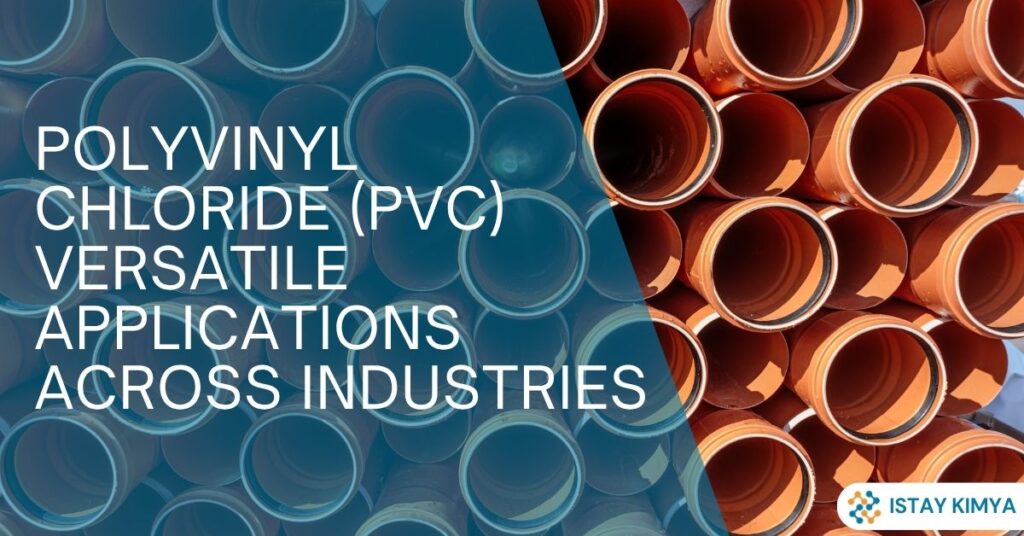
Pipes and Fittings: PVC pipes are widely used for water supply, sewage, and drainage systems due to their corrosion resistance and durability.
-
Window and Door Frames: uPVC is preferred for window and door frames because of its thermal insulation properties and low maintenance requirements.
-
Flooring and Wall Coverings: PVC tiles and sheets are used for flooring and wall coverings, offering ease of installation and maintenance.
Healthcare and Medical Uses
In the medical field, PVC’s clarity, chemical resistance, and ability to be sterilized make it ideal for:
-
Blood Bags and IV Containers: PVC is used to manufacture blood bags and IV containers due to its compatibility with blood and other fluids.
-
Tubing: Flexible PVC tubing is used for catheters, dialysis equipment, and oxygen masks.
-
Medical Packaging: PVC films are used for packaging pharmaceuticals, ensuring product safety and integrity.
Automotive Industry Applications
PVC is utilized in the automotive industry for:
-
Interior Trims: Dashboard covers, door panels, and seat coverings are often made from PVC due to its aesthetic appeal and durability.
-
Under-the-Hood Components: PVC’s heat resistance makes it suitable for cable insulation and other under-the-hood applications.
Automotive buyers often evaluate PVC alongside other polyolefins. Our guide to polypropylene applications in packaging and automotive covers the properties that drive material selection for interior trims and components.
Electrical and Electronics Applications
PVC’s excellent insulating properties make it a material of choice for:
-
Cable and Wire Insulation: PVC is used to insulate electrical wires and cables, providing safety and durability.
-
Electrical Conduits: Rigid PVC conduits protect electrical wiring in buildings and industrial settings.
Packaging Industry Applications
PVC is widely used in the packaging industry for:
-
Blister Packs: Commonly used for packaging tablets and capsules in the pharmaceutical industry.
-
Shrink Wraps: PVC shrink films are used to wrap and protect various products.
-
Bottles and Containers: PVC is used to manufacture bottles for oils, shampoos, and other liquids.
PVC is not the only polymer specified for these formats. For a related overview, see PET applications in blister packs and films, including bottles and thermoformed packaging.
Consumer Goods and Household Items
PVC is found in numerous household items:
-
Furniture: PVC is used in the production of lightweight and durable furniture.
-
Toys: Many children’s toys are made from PVC due to its flexibility and safety.
-
Home Decor: PVC wallpapers and decorative films are popular for interior design.
Agricultural Applications
In agriculture, PVC is used for:
-
Irrigation Systems: PVC pipes are essential for efficient water distribution in irrigation.
-
Greenhouses: PVC films are used to cover greenhouses, providing a controlled environment for plant growth.
Textile and Clothing Industry Uses
PVC is used in the textile industry for:
-
Synthetic Leather: PVC is used to produce synthetic leather for clothing, shoes, and accessories.
-
Rainwear: PVC’s waterproof properties make it ideal for raincoats and umbrellas.
Advantages of Using PVC
-
Durability: PVC products have a long lifespan and resist environmental degradation.
-
Cost-Effectiveness: PVC is relatively inexpensive to produce and process.
-
Versatility: Available in rigid and flexible forms, suitable for a wide range of applications.
-
Chemical Resistance: Resistant to many chemicals, making it suitable for various industrial applications.
Challenges and Considerations
-
Environmental Concerns: PVC production and disposal can release harmful chemicals, raising environmental and health concerns.
-
Recycling Difficulties: PVC is not as easily recyclable as some other plastics, posing challenges for waste management.
Comparative Analysis: PVC vs. Other Plastics
| Property | PVC | Polyethylene (PE) | Polypropylene (PP) |
|---|---|---|---|
| Flexibility | Moderate (with plasticizers) | High | High |
| Chemical Resistance | High | High | High |
| Temperature Resistance | Moderate | Low | Moderate |
| Cost | Low | Low | Low |
| Recyclability | Moderate | High | High |
Environmental Impact and Sustainability
Efforts are being made to improve the sustainability of PVC through:
-
Recycling Programs: Developing methods to recycle PVC products effectively.
-
Alternative Plasticizers: Using safer, non-phthalate plasticizers to reduce health risks.
-
Eco-Friendly Production: Implementing cleaner production technologies to minimize environmental impact.
Frequently Asked Questions (FAQ)
Q1: Is PVC safe for use in food packaging?
A1: Yes, when manufactured according to safety standards, PVC is safe for food packaging applications.
Q2: Can PVC be recycled?
A2: PVC can be recycled, but the process is more complex compared to other plastics. Specialized facilities are required for effective recycling.
Q3: What is the lifespan of PVC products?
A3: PVC products can last for decades, with some applications like pipes and window frames having a lifespan of 50 years or more.
Q4: Are there alternatives to PVC?
A4: Alternatives include polyethylene, polypropylene, and biodegradable plastics, depending on the application and environmental considerations.
For a broader comparison of these materials, our overview of industrial thermoplastics outlines the properties, grades, and typical applications of the major commodity polymers.
Q5: Does PVC release harmful chemicals?
A5: During production and disposal, PVC can release harmful chemicals if not managed properly. However, in its finished form, PVC is stable and safe for use.
For more information on Polyvinyl Chloride (PVC) and to explore our product offerings, visit Istay Kimya’s PVC Product Page.
