

resources
Acetic Acid: Industrial Applications & Benefits
Jun
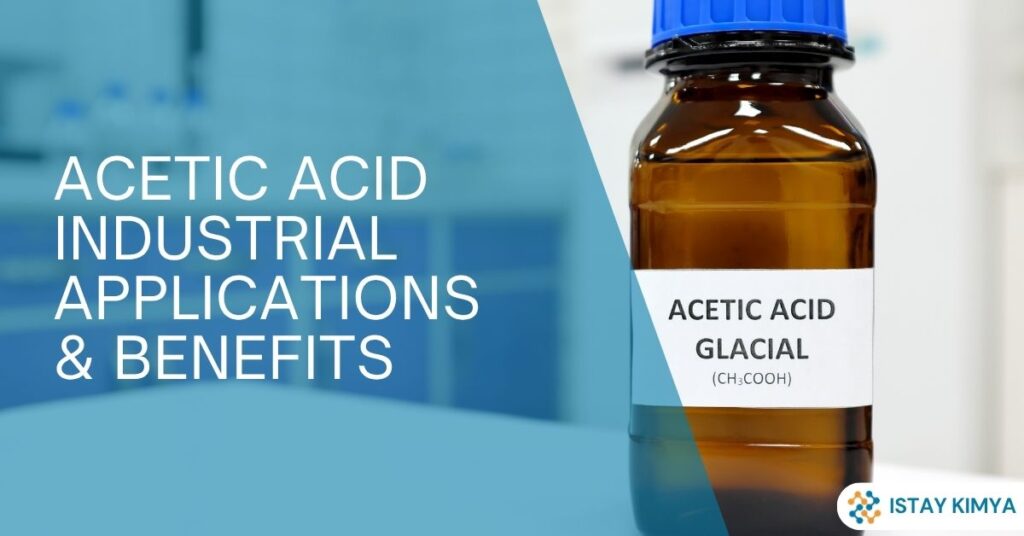
Acetic acid, chemically known as ethanoic acid, is a colorless liquid organic compound with the chemical formula CH₃COOH. It is best recognized as the main component of vinegar, apart from water, and is responsible for its characteristic sour taste and pungent smell. Beyond its culinary uses, acetic acid plays a pivotal role in various industrial applications due to its versatile chemical properties
Table of Contents
- Chemical Properties and Production Methods
- Role in the Chemical Industry
- Applications in the Food Industry
- Textile Industry Utilization
- Pharmaceutical and Medical Uses
- Agricultural Applications
- Use in the Plastics and Polymers Sector
- Cleaning and Household Products
- Acetic Acid in the Cosmetics Industry
- Environmental Impact and Safety Measures
- Global Market Overview
- Comparison with Other Organic Acids
- Frequently Asked Questions
Chemical Properties and Production Methods
Chemical Properties
-
Molecular Formula: CH₃COOH
-
Molar Mass: 60.05 g/mol
-
Density: 1.049 g/cm³
-
Melting Point: 16.6°C
-
Boiling Point: 118.1°C
-
Solubility: Miscible with water, ethanol, and ether
Production Methods
Acetic acid is produced both synthetically and through biological fermentation.
-
Synthetic Production: The most common method is the carbonylation of methanol, where methanol reacts with carbon monoxide in the presence of a catalyst to produce acetic acid.
-
Biological Fermentation: Involves the aerobic oxidation of ethanol by Acetobacter bacteria, commonly used in vinegar production.
Role in the Chemical Industry
Acetic acid serves as a fundamental building block in the chemical industry.
Chlorination of acetic acid also yields monochloroacetic acid (MCAA), a key intermediate for carboxymethyl cellulose, agrochemicals, and surfactants; our separate guide covers its main industrial uses.
-
Vinyl Acetate Monomer (VAM): A significant portion of industrial acetic acid is used to produce VAM, which is essential in manufacturing polyvinyl acetate and polyvinyl alcohol, components in adhesives, paints, and coatings.
-
Acetic Anhydride: Used in producing cellulose acetate, a material for photographic films and textiles.
-
Ester Production: Acetic acid reacts with alcohols to form esters like ethyl acetate and butyl acetate, solvents in inks, paints, and coatings.
Applications in the Food Industry
Acetic acid’s role in the food industry is multifaceted.
-
Preservative: Its antimicrobial properties inhibit bacterial growth, extending the shelf life of various food products.
-
Flavoring Agent: Provides the characteristic sour taste in condiments like ketchup, mustard, and mayonnaise.
-
Pickling: Used in pickling vegetables and other foods, ensuring safety and flavor.
Textile Industry Utilization
In textiles, acetic acid is integral in dyeing and finishing processes.
-
pH Adjustment: Regulates the pH of dye baths, ensuring optimal dye uptake and color consistency.
-
Fiber Treatment: Used in the production of synthetic fibers like cellulose acetate.
-
Cleaning Agent: Removes mineral deposits and impurities from fabrics.
Pharmaceutical and Medical Uses
Acetic acid has several applications in the medical field.
-
Antiseptic: Diluted solutions treat infections, particularly in the ear canal.
-
Cervical Cancer Screening: Used in visual inspection methods to identify precancerous lesions.
-
Pharmaceutical Manufacturing: Acts as a solvent in producing various drugs and vitamins.
Agricultural Applications
In agriculture, acetic acid is employed for its herbicidal properties.
-
Weed Control: Used as a natural herbicide to manage unwanted vegetation.
-
Silage Preservation: Prevents bacterial and fungal growth in stored animal feed.
-
Soil pH Regulation: Adjusts soil acidity to optimize crop growth.
Use in the Plastics and Polymers Sector
Acetic acid is crucial in producing various plastics and polymers.
Istay Kimya also supplies polyethylene terephthalate (PET) for packaging and industrial applications; contact our team for specifications and a quotation.
-
Polyvinyl Acetate (PVA): Used in adhesives, paints, and coatings.
-
Cellulose Acetate: Employed in photographic films, textiles, and cigarette filters.
-
Polyethylene Terephthalate (PET): Acetic acid derivatives are involved in PET production, used in packaging materials.
Cleaning and Household Products
Acetic acid’s effectiveness as a cleaning agent is well-recognized.
Industrial cleaning and disinfection programs often pair acids with oxidizing agents; see our overview of hydrogen peroxide for its complementary sanitation and bleaching applications.
-
Descaling Agent: Removes limescale from kettles, coffee machines, and plumbing.
-
Glass Cleaner: Provides streak-free shine on windows and mirrors.
-
Odor Neutralizer: Eliminates unpleasant smells in kitchens and bathrooms.
Acetic Acid in the Cosmetics Industry
In cosmetics, acetic acid is valued for its pH-adjusting properties.
-
Hair Care Products: Balances pH in shampoos and conditioners, enhancing hair shine and health.
-
Skin Care: Used in formulations to maintain skin’s natural acidity, promoting a healthy complexion.
-
Preservative: Prevents microbial growth in cosmetic products, extending shelf life.
Environmental Impact and Safety Measures
While acetic acid is biodegradable and poses minimal environmental risks, safety precautions are essential.
-
Handling: Use protective gear to prevent skin and eye irritation.
-
Storage: Store in a cool, ventilated area away from incompatible substances.
-
Disposal: Follow local regulations for disposing of acetic acid solutions.
Global Market Overview
The demand for acetic acid continues to grow globally, driven by its diverse applications.
-
Asia-Pacific Region: Leads in production and consumption, particularly in China and India.
-
Market Growth: Expected to rise due to increased use in textiles, food preservation, and pharmaceuticals.
-
Sustainability Trends: Shift towards bio-based acetic acid production methods to reduce environmental impact.
Comparison with Other Organic Acids
Acetic acid is often compared to other organic acids like citric and lactic acids.
| Property | Acetic Acid | Citric Acid | Lactic Acid |
|---|---|---|---|
| pH Level | ~2.4 | ~3.2 | ~3.8 |
| Taste | Sour | Sour | Mildly Sour |
| Common Uses | Preservative, Solvent | Food Additive, Cleaner | Food Additive, Cosmetic |
| Natural Sources | Vinegar | Citrus Fruits | Fermented Milk |
Frequently Asked Questions
Q1: Is acetic acid safe for consumption?
Yes, when diluted appropriately, acetic acid is safe and commonly used in food products like vinegar.
Q2: Can acetic acid be used as a disinfectant?
Yes, its antimicrobial properties make it effective for cleaning and disinfecting surfaces.
Q3: What is glacial acetic acid?
Glacial acetic acid is the concentrated, water-free form of acetic acid, used primarily in industrial applications.
Q4: How is acetic acid stored safely?
It should be stored in a cool, well-ventilated area, away from incompatible substances, in containers made of materials resistant to corrosion.
For more information on Acetic Acid and to explore our product offerings, visit Istay Kimya’s Acetic Acid Product Page.
