

resources
Ammonium Chloride: Industrial & Agricultural Applications
Aug
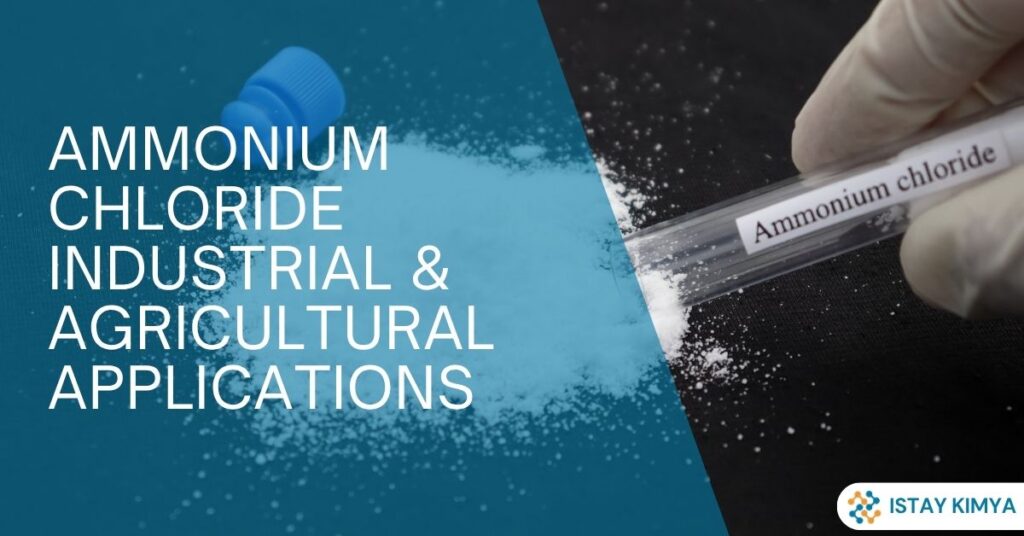
Ammonium Chloride (NH₄Cl) is a white crystalline salt known for its solubility in water and versatility across various industries. It serves as a nitrogen source in fertilizers, a leavening agent in baking, and a flux in metalworking.
Table of Contents
- Chemical Properties and Composition
- Agricultural Applications
- Food Industry Uses
- Pharmaceutical Applications
- Metal Industry Applications
- Electronics and Battery Manufacturing
- Textile and Leather Industry
- Cleaning and Sanitation Products
- Environmental Considerations
- Safety and Handling Guidelines
- Comparison with Other Nitrogen Sources
- Global Market Overview
- Regulatory Standards and Compliance
- Frequently Asked Questions
Chemical Properties and Composition
-
Molecular Formula: NH₄Cl
-
Molar Mass: 53.49 g/mol
-
Appearance: White crystalline powder
-
Solubility: Highly soluble in water
-
pH: Acidic in aqueous solution
These properties make it suitable for applications requiring a readily available source of ammonia or chloride ions
Agricultural Applications
In agriculture, Ammonium Chloride is primarily used as a nitrogen fertilizer. It provides essential nutrients for crops like rice, wheat, and barley. Its quick-release nitrogen content promotes rapid plant growth.
Where chloride accumulation is a concern, many growers instead specify calcium nitrate for chloride-sensitive crops, which supplies nitrate nitrogen and soluble calcium without raising chloride levels in the soil.
Benefits:
-
Enhances crop yield
-
Cost-effective nitrogen source
-
Suitable for chloride-tolerant crops
Application Methods:
-
Soil application
-
Foliar sprays
-
Fertilizer blends
Food Industry Uses
Food-grade Ammonium Chloride is used as a leavening agent, flavor enhancer, and pH regulator. It imparts a salty taste and is commonly found in licorice candies, especially in Scandinavian countries.
Applications:
-
Baking powder component
-
Flavoring in confectionery
-
Yeast nutrient in bread-making
Pharmaceutical Applications
In medicine, Ammonium Chloride acts as an expectorant, helping to loosen mucus in the respiratory tract. It’s also used to acidify urine, aiding in certain medical treatments.
Uses:
-
Cough syrups
-
Urinary acidifiers
-
Electrolyte replenishment
Metal Industry Applications
Ammonium Chloride serves as a flux in metalworking processes like galvanizing, soldering, and tinning. It cleans metal surfaces by reacting with metal oxides, ensuring better adhesion of coatings.
Processes:
-
Galvanizing steel
-
Soldering electronics
-
Tinning of metals
Electronics and Battery Manufacturing
In the electronics industry, Ammonium Chloride is used in the production of dry cell batteries as an electrolyte. It facilitates the flow of electrons, essential for battery function.
Textile and Leather Industry
Ammonium Chloride is utilized in dyeing processes and as a mordant in the textile industry. In leather tanning, it helps in deliming hides and adjusting pH levels.
Deliming follows the earlier stage of liming hides with calcium hydroxide, the alkali treatment used to remove hair and prepare hides before tanning.
Cleaning and Sanitation Products
Due to its antimicrobial properties, Ammonium Chloride is an active ingredient in various cleaning agents and disinfectants. It helps in eliminating bacteria and maintaining hygiene.
Environmental Considerations
While beneficial, excessive use of Ammonium Chloride can lead to soil acidification and water contamination. Proper application rates and environmental regulations must be followed to mitigate these risks.
Safety and Handling Guidelines
-
Storage: Keep in a cool, dry place
-
Handling: Use protective equipment to avoid inhalation and contact
-
Disposal: Follow local regulations for chemical disposal
Comparison with Other Nitrogen Sources
| Fertilizer Type | Nitrogen Content | Release Rate | Cost |
|---|---|---|---|
| Ammonium Chloride | 25% | Fast | Low |
| Urea | 46% | Moderate | Moderate |
| Ammonium Nitrate | 34% | Fast | High |
Ammonium Chloride is preferred for its cost-effectiveness and quick nitrogen release, especially in crops tolerant to chloride.
Buyers weighing nitrogen sources may also consider potassium nitrate as a dual nitrogen-potassium fertilizer, which combines nitrate nitrogen with potassium in a single chloride-free product.
Global Market Overview
The demand for Ammonium Chloride is driven by its diverse applications. Asia-Pacific regions, particularly China and India, are leading consumers due to extensive agricultural activities.
Regulatory Standards and Compliance
Ammonium Chloride usage is regulated by various international bodies to ensure safety in food, pharmaceuticals, and environmental applications. Compliance with standards like FDA, EPA, and REACH is essential for manufacturers and users.
Frequently Asked Questions
Q1: Is Ammonium Chloride safe for consumption?
A1: Yes, when used within regulated limits, food-grade Ammonium Chloride is safe and approved by food safety authorities.
Q2: Can it be used in organic farming?
A2: No, Ammonium Chloride is synthetic and not permitted in certified organic farming practices.
Q3: How does it compare to Urea as a fertilizer?
A3: While Urea has a higher nitrogen content, Ammonium Chloride is more cost-effective and provides faster nitrogen release.
Q4: What precautions should be taken during handling?
A4: Use protective gear, ensure proper ventilation, and store in a dry, cool place to prevent moisture absorption.
Q5: Is it environmentally friendly?
A5: Responsible use minimizes environmental impact. Overuse can lead to soil and water issues; hence, adherence to recommended application rates is crucial.
For more information or to purchase Ammonium Chloride, visit Istay Kimya’s product page.
