

resources
Zinc Oxide Uses in Industry: A Practical Guide
Jan
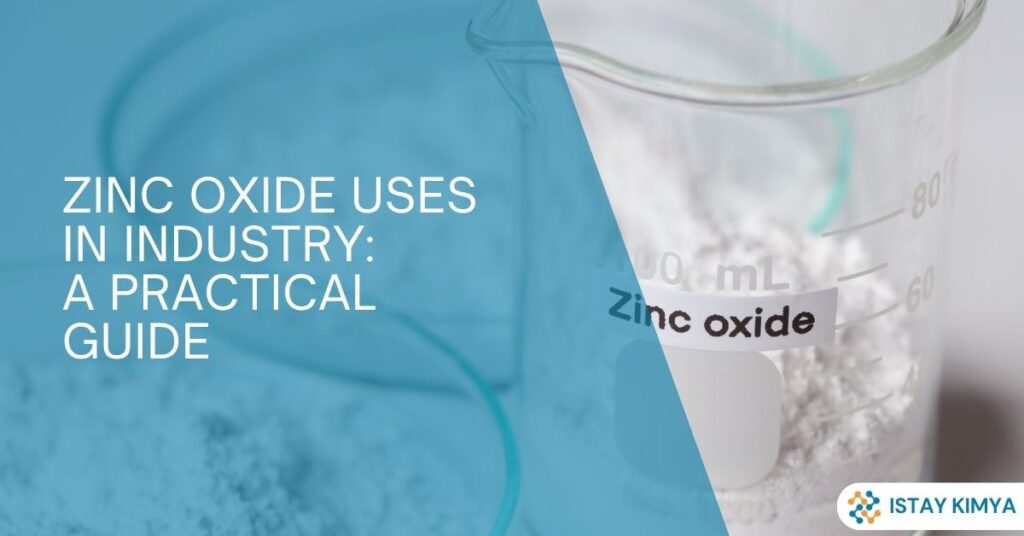
Zinc Oxide (ZnO) is an inorganic compound used extensively as an additive in a variety of materials and products. Known for its exceptional chemical versatility, it appears as a fine white powder that is nearly insoluble in water but highly effective in numerous industrial processes.
Table of Contents
- Core Chemical and Physical Properties
- Zinc Oxide in Rubber and Tire Manufacturing
- Applications in Ceramics and Glass Production
- Use in Paints, Coatings, and Pigments
- Cosmetics and Skincare: Why Zinc Oxide Matters
- Pharmaceutical Use Cases of Zinc Oxide
- Zinc Oxide as a Catalyst in Chemical Processing
- Agricultural Applications: Animal Feed and Fertilizers
- Electronics and Photovoltaics: ZnO in Technology
- Role in Textiles and Fabrics
- Zinc Oxide for UV Protection and Sunscreens
- Comparison with Other Metal Oxides
- Challenges in Handling and Storage
- Market Trends and Industrial Demand Insights
- How to Source High-Quality Zinc Oxide
- Common Misconceptions and Clarifications
- FAQ: Everything You Need to Know About Zinc Oxide
Main applications include:
-
Rubber manufacturing
-
Personal care and cosmetics
-
Pharmaceuticals
-
Ceramics and glass
-
Electronics and catalysts
Its wide usage makes it a critical component across global supply chains, especially for manufacturing and technological advancement.
Core Chemical and Physical Properties
| Property | Value/Description |
|---|---|
| Chemical Formula | ZnO |
| Appearance | White powder |
| Solubility | Insoluble in water |
| Melting Point | ~1975°C |
| Specific Gravity | 5.61 |
| Thermal Conductivity | High |
| UV Absorption | Strong |
| Electrical Properties | Semiconductive (n-type) |
These properties lend zinc oxide multifunctionality—serving as a catalyst, UV filter, antimicrobial agent, and pigment.
Zinc Oxide in Rubber and Tire Manufacturing
One of the primary industrial applications of zinc oxide is in rubber vulcanization.
Vulcanized compounds still degrade under heat and oxygen over time, so ZnO activation is typically paired with antioxidant protection for rubber and polymers to extend the service life of tires and technical rubber goods.
Why it’s used:
-
Acts as an activator with stearic acid to accelerate vulcanization.
-
Enhances tensile strength, elasticity, and durability of rubber.
-
Improves heat resistance and aging properties.
Applications:
-
Tires
-
Seals
-
Footwear soles
-
Hoses and belts
Applications in Ceramics and Glass Production
Zinc oxide improves the thermal and chemical stability of ceramics and glass, particularly in:
-
Glazes and enamels for scratch resistance
-
Transparent ceramics for optical applications
-
Glass frits to improve resistance to thermal shock
It also aids in melting point reduction, saving energy during manufacturing.
Use in Paints, Coatings, and Pigments
ZnO is favored for its anti-corrosive and fungistatic properties, making it essential in:
-
Anti-rust paints
-
Marine coatings
-
White pigments (alternative to lead-based compounds)
Benefits include:
-
UV blocking
-
Enhanced durability
-
Mold resistance
Cosmetics and Skincare: Why Zinc Oxide Matters
Zinc oxide plays a vital role in dermatological products due to its:
-
UV filtering ability (physical sunscreen)
-
Antimicrobial properties
-
Anti-inflammatory effects
Common uses include:
-
Sunscreens (broad-spectrum SPF)
-
Diaper rash creams
-
Acne treatments
-
Mineral foundations
Pharmaceutical Use Cases of Zinc Oxide
Zinc oxide offers therapeutic properties, primarily in topical formulations.
-
Treats minor wounds and skin irritations
-
Included in calamine lotion
-
Used in oral care (toothpastes, dental cements)
Its astringent and antiseptic features are key to these applications.
Zinc Oxide as a Catalyst in Chemical Processing
Zinc oxide functions as a heterogeneous catalyst in various petrochemical and chemical reactions.
Common catalytic roles:
-
Methanol synthesis
-
Desulfurization of natural gas
-
Hydrogenation reactions
It enhances reaction efficiency and selectivity, especially in refineries and plastic production.
Zinc oxide is one of several process catalysts in our range; for transesterification and biodiesel production, see the specifications of our sodium methoxide catalyst.
Agricultural Applications: Animal Feed and Fertilizers
ZnO supports animal nutrition and plant health by:
-
Acting as a zinc supplement in animal feed
-
Supporting enzyme activity in livestock
-
Enhancing photosynthesis and growth in crops
Regulated use ensures optimal bioavailability and nutrient uptake.
Electronics and Photovoltaics: ZnO in Technology
Zinc oxide’s semiconductive nature makes it crucial in:
-
Photovoltaic cells (solar panels)
-
Transparent conductive films
-
LEDs and varistors
Its optical transparency and bandgap properties make ZnO a next-gen material in green tech.
Role in Textiles and Fabrics
ZnO is infused into textiles for antibacterial and UV protective properties.
Applications include:
-
Hospital garments
-
Sportswear
-
Baby clothing
ZnO-treated textiles offer odor resistance and moisture regulation.
Where coated fabrics and technical textiles must also meet fire-safety requirements, formulators often combine ZnO treatments with chlorinated paraffin flame retardants, which additionally serve as secondary plasticizers.
Zinc Oxide for UV Protection and Sunscreens
Thanks to its non-toxic, mineral base, ZnO is the go-to UV blocker.
Advantages:
-
Physical barrier (non-absorbing)
-
Reef-safe
-
Effective against UVA and UVB
Commonly used in:
-
Baby sunscreens
-
Sensitive skin formulations
-
Daily wear SPF products
Comparison with Other Metal Oxides
| Oxide | UV Protection | Antimicrobial | Semiconductor | Cosmetic Use |
|---|---|---|---|---|
| Zinc Oxide | High | Strong | Yes | Widely used |
| Titanium Dioxide | Medium | Low | No | Yes |
| Iron Oxide | No | Moderate | Limited | Pigments |
Zinc oxide is unique in combining optical, catalytic, and protective properties in one material.
Challenges in Handling and Storage
While generally safe, proper handling is essential:
-
Avoid inhalation of fine powder
-
Store in cool, dry places
-
Prevent moisture exposure
Packaging standards usually follow ISO or REACH guidelines.
Market Trends and Industrial Demand Insights
The global market for ZnO is expanding due to:
-
Growth in sustainable sunscreens
-
Demand for clean energy materials
-
Increasing automotive tire production
Forecast:
-
CAGR: ~6.1% from 2024–2030
-
Major regions: Asia-Pacific, North America, EU
How to Source High-Quality Zinc Oxide
Criteria for sourcing:
-
Purity levels (typically 99%+)
-
Particle size (nano vs. micro)
-
Surface treatment
-
Compliance with ISO/ASTM standards
A trusted supplier like iStay Kimya ensures consistency and regulatory adherence.
Common Misconceptions and Clarifications
-
“Zinc oxide is harmful”: False. It’s FDA-approved for topical use.
-
“Only for cosmetics”: Incorrect. Its applications span 10+ industries.
-
“Not eco-friendly”: ZnO is one of the most biocompatible oxides.
Clarifying these boosts confidence among potential buyers and researchers.
FAQ: Everything You Need to Know About Zinc Oxide
Q1: Is zinc oxide safe for everyday use?
Yes, it’s considered safe by regulatory bodies like the FDA, especially in topical applications.
Q2: What industries use zinc oxide the most?
Rubber, cosmetics, pharmaceuticals, electronics, and agriculture are top sectors.
Q3: Can zinc oxide be used in food packaging?
In regulated conditions, ZnO can serve as an antimicrobial additive in food-safe materials.
Q4: What’s the difference between nano and micro zinc oxide?
Nano ZnO offers better transparency and UV protection, while micro is better for coatings and paints.
Q5: Where can I buy industrial-grade zinc oxide?
Visit Istay Kimya’s Zinc Oxide Catalysts Page to explore your options.
