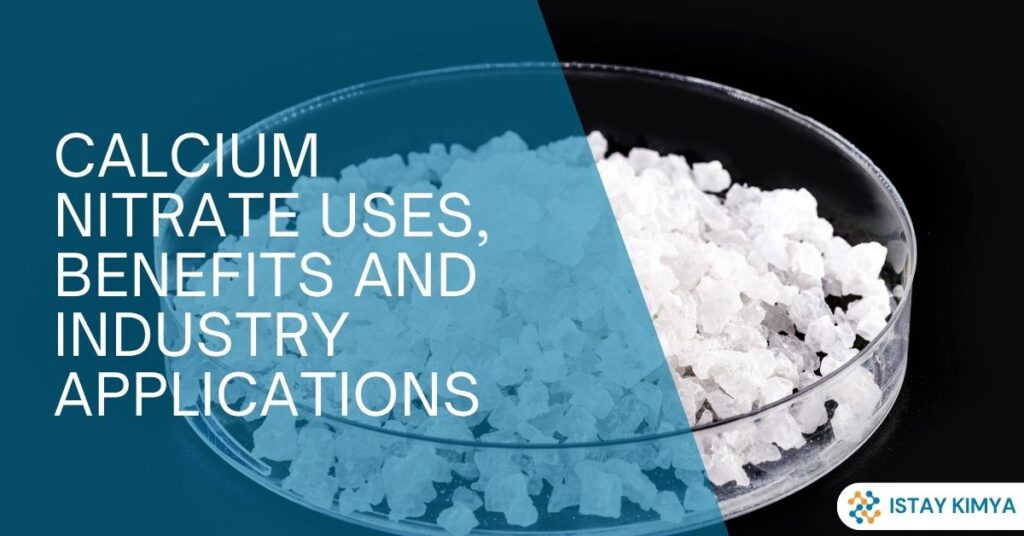
Calcium nitrate, chemically represented as Ca(NO₃)₂, is an inorganic compound that appears as a white, crystalline solid. It is highly soluble in water, making it readily available for various applications. This compound serves as a source of both calcium and nitrogen, essential nutrients for plant growth, and plays a significant role in construction and wastewater […]
Author Archives: Yakup
Ammonium Chloride (NH₄Cl) is a white crystalline salt known for its solubility in water and versatility across various industries. It serves as a nitrogen source in fertilizers, a leavening agent in baking, and a flux in metalworking. Table of Contents Chemical Properties and Composition Agricultural Applications Food Industry Uses Pharmaceutical Applications Metal Industry Applications Electronics […]
Sodium Methoxide, also known as sodium methylate, is a white, crystalline powder with the chemical formula CH₃ONa. It is widely used as a strong base and nucleophile in various chemical reactions. Its versatility makes it valuable across multiple industries, including pharmaceuticals, agrochemicals, biodiesel production, and more Table of Contents Chemical Properties and Structure Production Methods […]
Monochloroacetic Acid (MCAA) is an organochlorine compound widely used as a building block in organic synthesis. It’s a white, crystalline powder that is highly reactive and soluble in water. Known for its versatility, MCAA plays a crucial role in a broad spectrum of industrial applications due to its functional carboxylic acid and chlorine group. Table […]
Hydrogen Peroxide (H₂O₂) is a pale blue liquid in its pure form and appears colorless when diluted. It is one of the most versatile and widely used oxidizing agents across numerous industries. With powerful disinfectant, bleaching, and oxidizing properties, hydrogen peroxide is known for both its industrial utility and eco-friendliness. Its breakdown into water and […]
Nitric acid (HNO₃) is a highly corrosive and strong mineral acid widely used in various industries. Known for its powerful oxidizing properties, it plays a crucial role in manufacturing processes, laboratory research, and chemical synthesis. Table of Contents Chemical Properties of Nitric Acid Production Methods of Nitric Acid Role in Fertilizer Manufacturing Applications in Explosives […]
Hydrochloric acid, commonly known as HCl, is a clear, colorless, and highly corrosive liquid. It is formed by dissolving hydrogen chloride gas in water. Due to its strong acidic nature, HCl is widely used in various industrial applications, including metal processing, chemical manufacturing, and water treatment. Table of Contents Chemical Properties of Hydrochloric Acid Steel […]
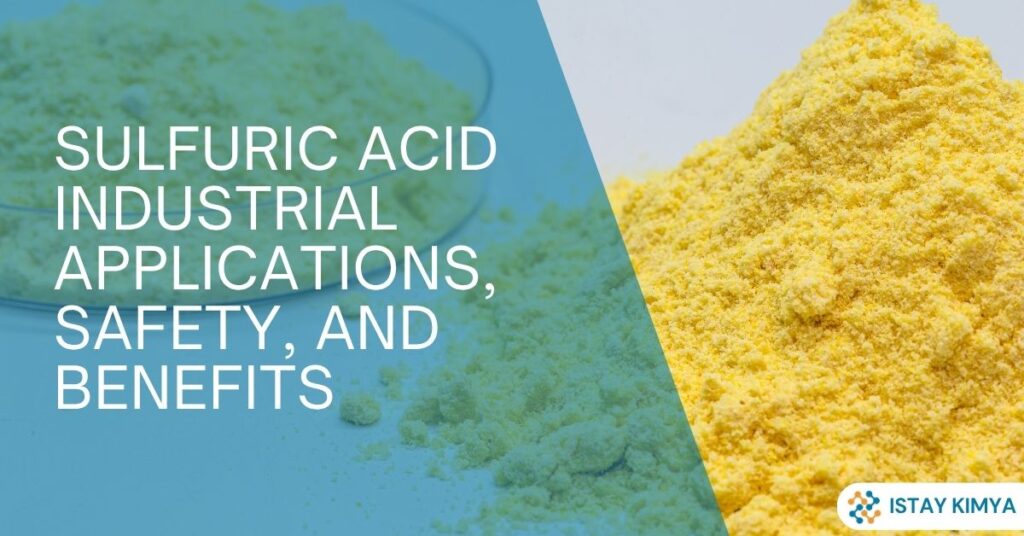
Sulfuric acid (H₂SO₄) is a highly corrosive, dense, and oily liquid, recognized as one of the most important industrial chemicals. Its versatility makes it indispensable across various industries, earning it the moniker “king of chemicals.” From fertilizer production to petroleum refining, sulfuric acid’s applications are vast and critical to modern industrial processes. Table of Contents […]
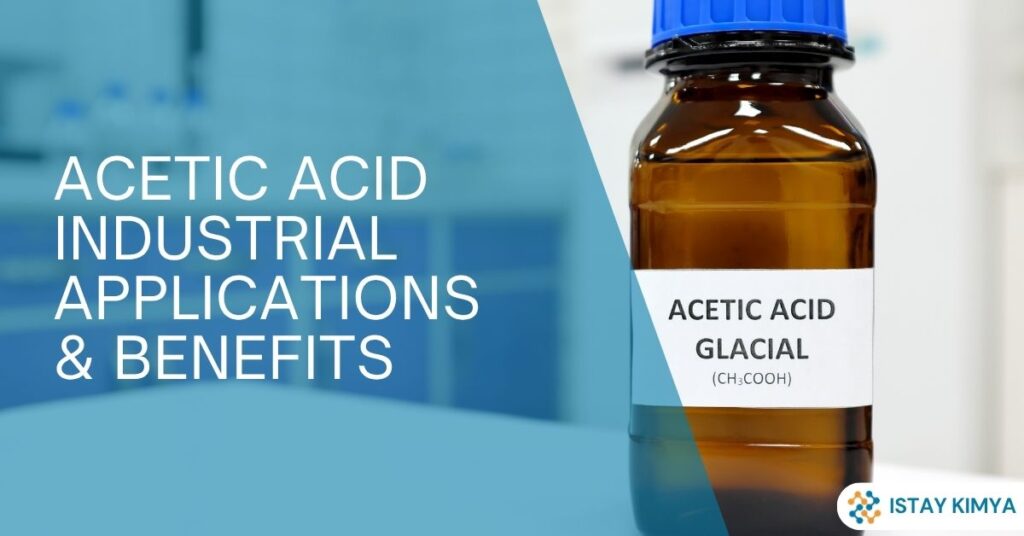
Acetic acid, chemically known as ethanoic acid, is a colorless liquid organic compound with the chemical formula CH₃COOH. It is best recognized as the main component of vinegar, apart from water, and is responsible for its characteristic sour taste and pungent smell. Beyond its culinary uses, acetic acid plays a pivotal role in various industrial […]
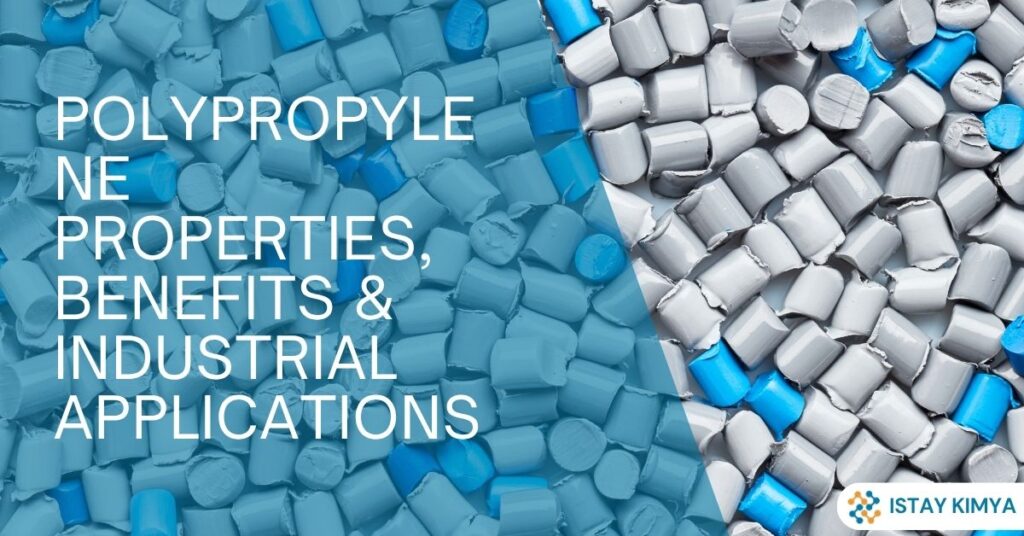
Polypropylene (PP) is a thermoplastic polymer widely used in various industries due to its versatility, durability, and cost-effectiveness. It is produced through the polymerization of propylene monomers, resulting in a material that is lightweight yet strong, resistant to many chemical solvents, bases, and acids. Table of Contents Key Properties of Polypropylene Advantages of Using Polypropylene […]